
Good morning! Today is the final installment of our Austria wine series. While white wine is the mainstream in Austria, today we will be exploring red wine🍷
When it comes to Austria, the first things that come to mind are white wines, led by Grüner Veltliner, which we touched upon last week. White wine varieties account for approximately 70% of the vineyard area. (For more details, please see: A Sommelier’s Letter: From Austria’s Wine Landscape to Tasting Events)
Red wine is made from the remaining 30%. The "Burgenland" state is the heart of domestic red wine production.
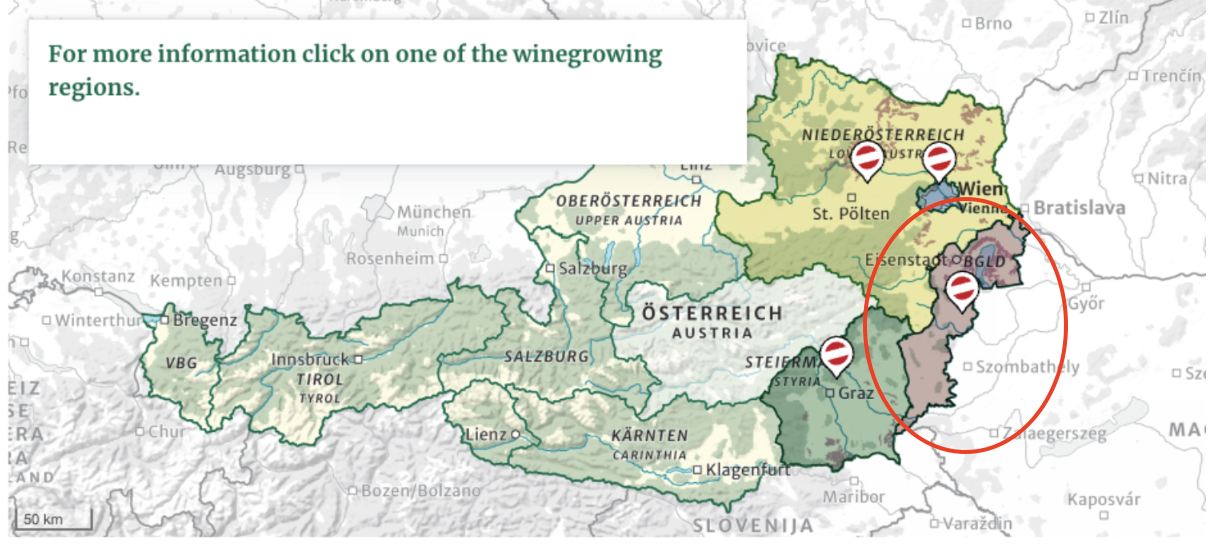
This region stretches along the border with Hungary, and its mild climate, influenced by warm winds from the "Pannonian Plain," creates an ideal environment for ripening red wine grapes. Located east of Vienna, this area accounts for more than 40% of the state's total vineyard area dedicated to red varieties, with data suggesting that over half of Austria's red wine production takes place here.
Compared to other wine-growing regions, the "Burgenland" state has an average temperature during the vine growth cycle that is about 1–2°C higher, and it enjoys over 200 hours more of sunshine. Annual rainfall is also lower. The soil varies by sub-region, including loam (a mix of sand, silt, and clay), clay, limestone, slate, and brown earth.
For red wine grapes, thick skins are necessary, and because it takes time for sugar content, pigments (anthocyanins), and tannins to accumulate, sufficient warmth and sunlight are essential. (I explained this in detail during the Uruguay wine feature, so please refer to this link if you are interested.)
The reason why less rain is better is that if the vines absorb too much water during the growth and maturation stages, the cells expand and the berries grow larger. As the berries grow larger, the ratio of flesh (juice) to the surface area of the skin increases, which dilutes the pigments, tannins, and flavor components found in the skins relative to the juice. Consequently, the resulting wine tends to be thinner in color and flavor, lacking individual character.
Looking at grape varieties, the major one in Austria is "Zweigelt," which accounts for about 14% of the total (and about 40% among black grapes).
*As a side note, having dabbled in German, I wondered if "Zwei" (two) and "Geld" (money) meant it was a grape variety that brought double the money, but it appears the name comes from Dr. Zweigelt, who developed the grape.
Since the temperature is relatively lower compared to other black grape-growing regions, the consumption of acids like malic acid is suppressed, allowing more acidity to remain. For example, in the warmer regions of Southern Europe or the New World (such as Argentina or Uruguay), sugar content tends to be higher, which often leads to higher alcohol content and a heavier body.
In comparison, Austrian wine features more moderate sugar content, higher acidity, and a leaner body.
Before I got my hands on that information, I did some tasting🍷 What is it actually like?
■ This Week’s Tasting Report
martha rouge 2023 | Weingut Martin & Anna Arndorfer
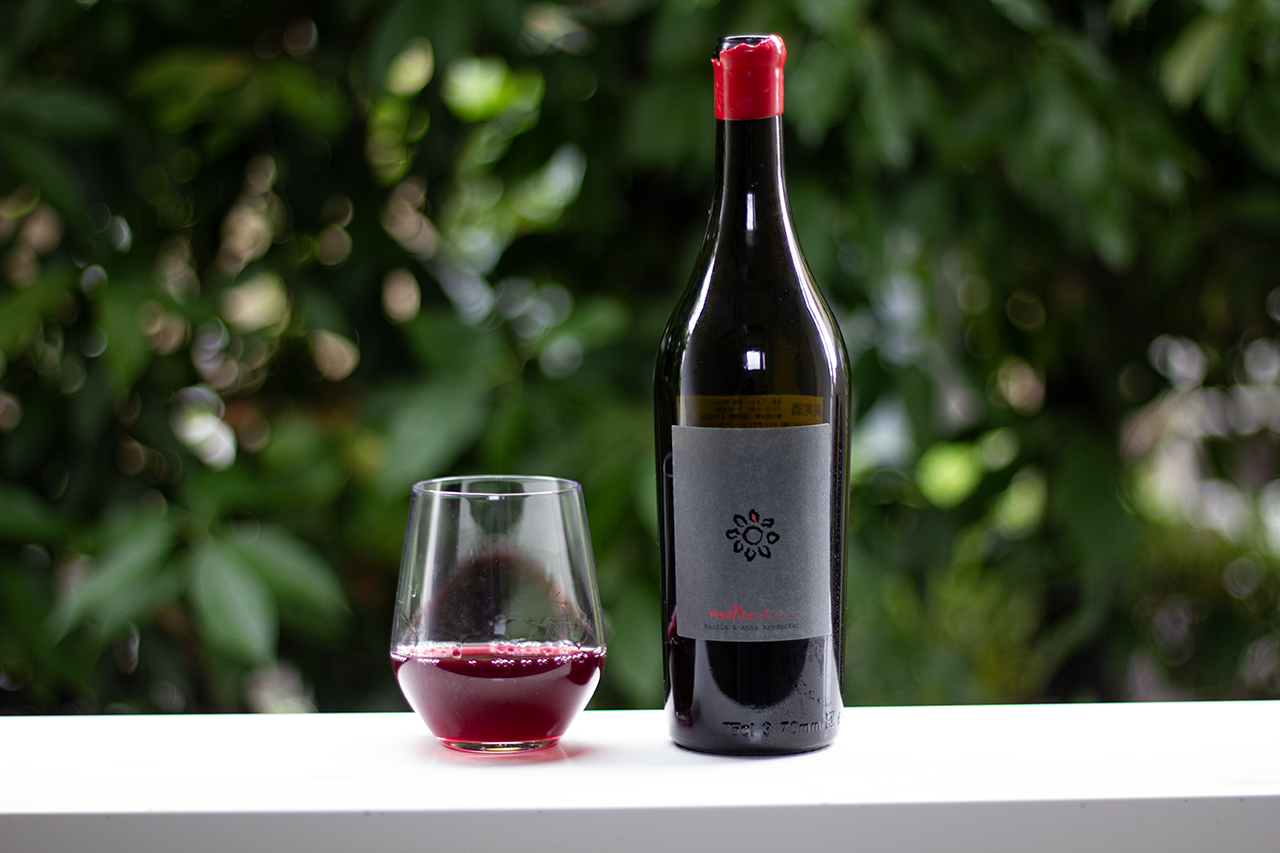
"Weingut Martin & Anna Arndorfer" is located not in the "Burgenland" state, but in the same place we mentioned these past two weeks: "Niederösterreich," Austria's largest wine-producing region. Compared to Burgenland, this area is cooler with a larger diurnal temperature range, and it is characterized by fresh acidity.
With an annual production of about 45,000 bottles and 16 hectares of managed land, it is a mid-sized winery for Austria. (The average winery vineyard area is a little over 2 hectares, and many small-scale producers have an annual output of a few thousand to less than 10,000 bottles, while mid-sized ones produce about 10,000 to 50,000.) It is a highly capable winery, adopted by the world-famous Danish restaurant "noma"—whose team has even visited us here at ANTELOPE.
- respect the vineyard and to work with it naturally -
They value "leaving it to nature without unnecessary intervention" and "trusting the soil." They focus on creating an environment where the grapevines do not suffer excessive stress, such as by allowing diverse plants to coexist in the fields. They practice organic farming, avoiding chemical fertilizers and herbicides to maintain a natural ecosystem.
This wine is a blend (assemblage) of "Zweigelt" and "Sauvignon Blanc."
Sauvignon Blanc is usually vinified alone as a white wine, but by blending it into Zweigelt, it seems to give the red wine more vibrant acidity and citrus aromas. Since the wine is made from grapes that already have natural acidity, it seems like it would be quite refreshing.
・Appearance: Slightly cloudy and hazy. Pale purple. Almost no viscosity; it feels light and smooth.
・Aroma: Expressive. A sharp, fresh scent like raspberries or tomatoes. There is also a hint of something like nail polish remover. It is youthful and gives off a positive, energetic impression.
・Taste: The attack is light and dry but smooth, sliding right onto the palate. The acidity is firm, and it becomes even crisper when chilled. It feels fluid, and I felt almost no tannin or astringency. There is a faint sweetness lingering in the finish.
・Price: 4,750 yen (tax included) / 750ml
It was exactly as light, acidic, and refreshing as I had expected. It is lighter than any red wine I have ever had, and I think I can easily recommend this even to those who dislike the astringency of red wine🍷
■ Conclusion: On "Vine Age"
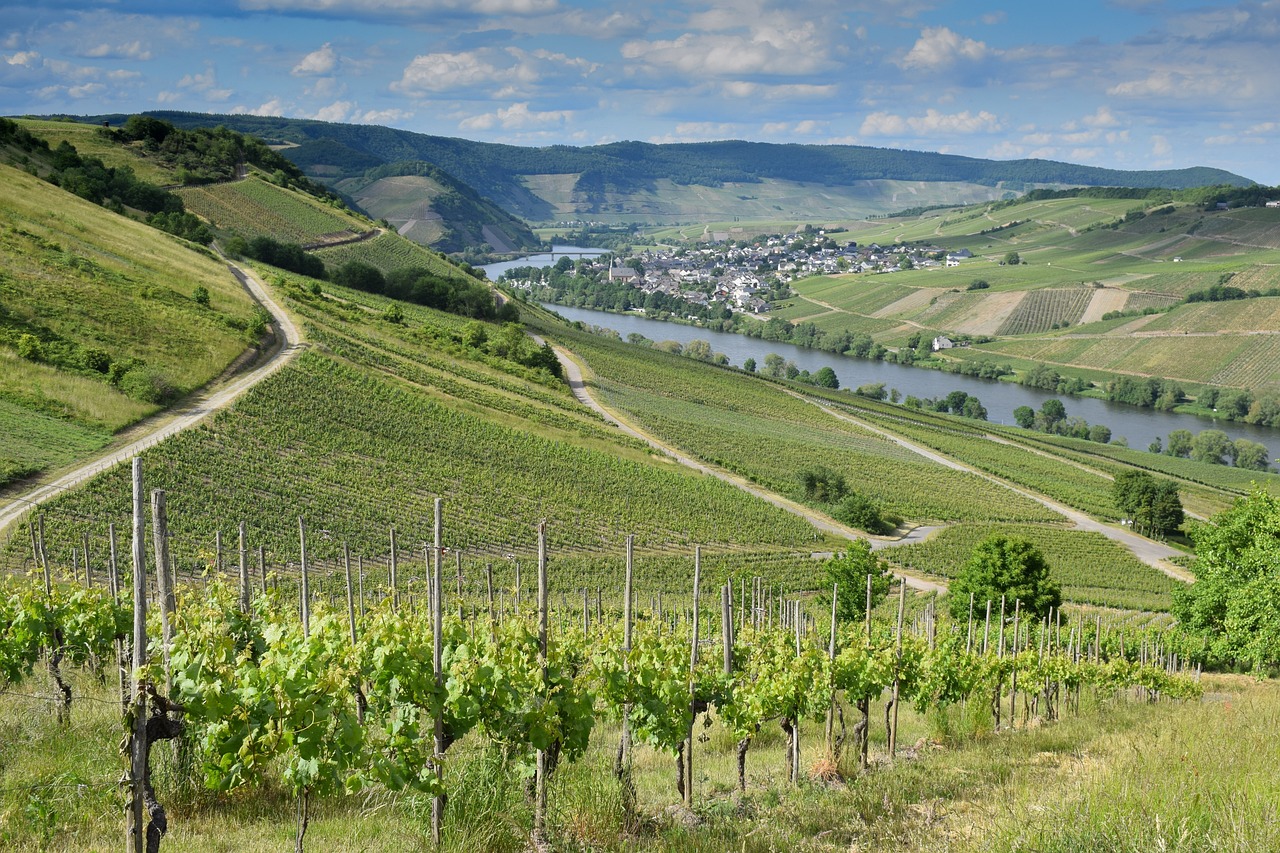
Since hearing last week that "reducing the number of grape clusters allows nutrients to distribute and increases sugar content," I have become a bit interested in the "vines" themselves, so I would like to touch upon that briefly in closing.
It is documented that the Zweigelt for this wine came from a plot planted in 2001, and the Sauvignon Blanc from a plot planted in 2007. Both are about 20 years old.
Looking into it, there appear to be no clear international standards or legal definitions for what constitutes "new" or "old" vines. However, there are general guidelines:
===
・Young: 10 to less than 20 years
・Mature: about 20 to 30 years
・Old Vines: roughly 25 to 40+ years
===
They say.
Looking at the world, there are vines in Slovenia over 300 years old, and Shiraz vines in Australia’s Barossa Valley planted in the 1840s that are still producing wine at over 170 years old. In South Africa, there is a certification system called the "Old Vine Project (OVP)," where wines made from vines 35 years or older are granted a special seal🎖️
Younger vines tend to have more clusters and a fresh impression. As they age, yields naturally decrease, which can lead to higher sugar concentration in each individual berry, resulting in a trend toward wines that are richer in color and fuller-bodied.
Do they have a lifespan like humans? There doesn't seem to be an absolute answer. However, factors such as disease, climate change, or the stress of pruning—including pathogen infection from branch tips, blockages in sap flow, energy expenditure, and the physiological burden of losing branches and leaves—all add up to factors that can shorten their lifespan.
It’s almost like they are human, which makes me feel even more attached to them.
---
That concludes our look at Austria. Next time, we will move on to Canada🇨🇦 It's an image of a cold, forested region, but what kind of wine is crafted there? I will be diving deep, so I look forward to seeing you all next week!
シェアする:
To my dear sommelier friend: Austria's famous grape variety, Grüner Veltliner
Dear Sommelier - A Chance Encounter at a Wine Shop