
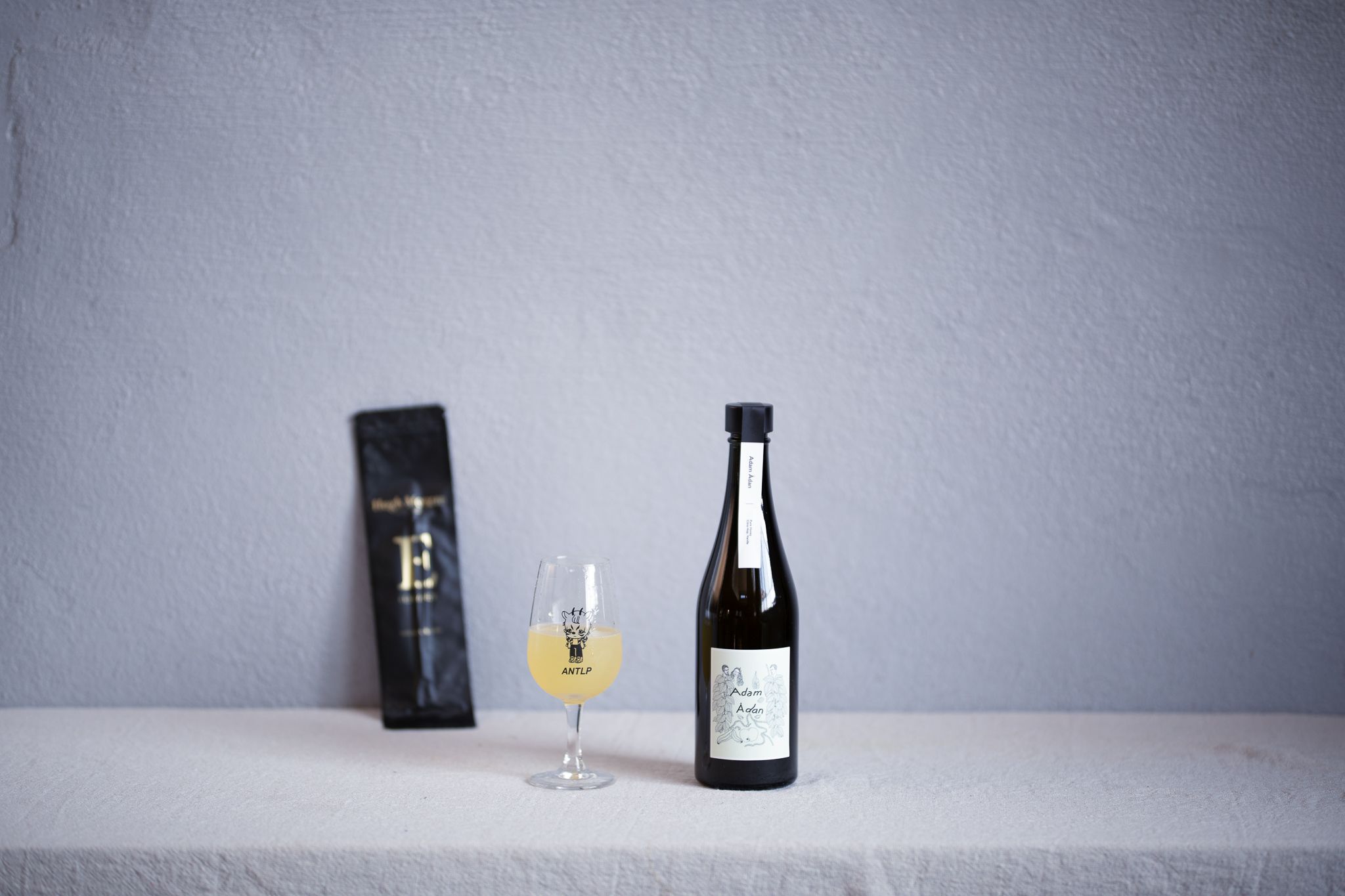
This is a mead that has been double dry-hopped. We used vanilla beans for the finish. While the techniques for dry-hopping and using vanilla beans are classic, I decided to incorporate them because I thought it would be interesting to apply them to mead.
〈Brewery→Computer〉
The history of beer brewing is long, and a major characteristic is its constant adoption of cutting-edge science, something consumers also eagerly look forward to. It feels as though beer brewing has always grown with the help of computers.
Recently, the growth of AI has been remarkable, to the point that it is even being called an extension of the human brain. Just as professional shogi players conduct research alongside AI, brewers will likely find themselves increasingly relying on AI to build their recipes. Even knowing this, I couldn't discard that young sensibility that wants to fight using the things I have studied up until now. So, this time, I referred to a fairly classic Milkshake IPA to create this mead. I'm sure AI could write an even better recipe, but I first wanted to do the absolute best I could on my own.
However, I have great respect for AI, so as a middle ground, I asked AI to design the label. While its artistic sense is beyond my comprehension, I feel that it has proposed something close to a "correct answer." This is a bottle created by both human and AI.
〈Tasting Note〉
Filled with the sweet aroma and lupulin character of Citra, with a hint of green notes still remaining. As you take a sip, notes of vanilla emerge, and you can feel a slight acidity derived from the mead. The texture and sweetness are derived from the alcohol.
Honey: Myanmar Honey
Fruit & Herb: Hops (Citra)
Fermentation: Pasteurized after primary fermentation. Dry-hopped in two stages, with vanilla added.
Alcohol: 12%
pH: 3.90
Residual Sugar: 42.5g/L
Volume: 500ml
Aroma like a Triple IPA, low bitterness, with a faint acidity and trailing vanilla notes. For pairing, I’d like to try it with something rich like duck or pork sauté.
〈Mead making〉
Unable to let go of the feelings I had at 21 when I was constantly studying hops, I had always wanted to use hops in mead someday. Since we don't have a refrigerator, we took on the challenge of trying to release it during the coldest possible time of year to account for the risk of oxidation.
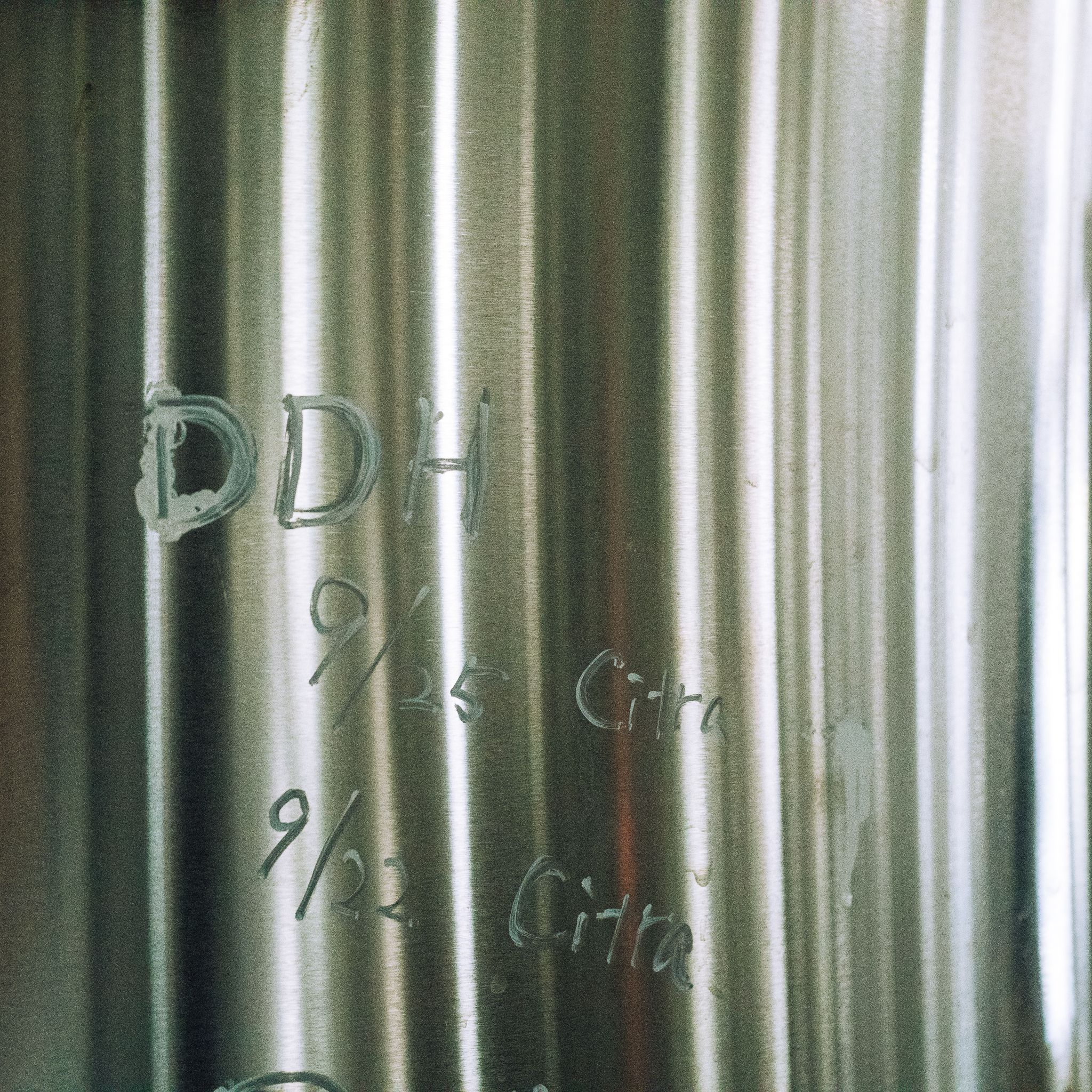
We dry-hopped twice, but in the world of beer, they often bring out individual character by changing hop varieties or utilizing differences in yeast activity at the time of addition. However, we performed our additions without changing the hops or the yeast activity between the first and second stages.
It’s a double dry-hop that was done simply to intensify the aroma. Yes, I actually thought one time would be enough, but when working with tanks, many unexpected things happen, and it ended up being two additions. I chose Citra because I felt its unique sweet scent was wintry and nice, but since it was a bit weak, I used vanilla to create layers of aroma.
As a result, there is a difference in the aroma and taste, making it an interesting bottle. The alcohol content is high, so you’ll get drunk if you drink it with the same mindset as an IPA, but please, enjoy it slowly.
シェアする:
〈Brewer's Note 〉This is it