
Good morning! It’s been a week, and today we’re finally getting into the topic of Canada. Before diving in, last time I introduced "Forge Cellars," a winery in New York State near the Canadian border. (If you’re interested, please do give it a read!〈Dear Me, the Sommelier - A Chance Encounter at a Wine Shop〉)
Over 90% of Canada's land area is uninhabited. The population density is so low that there is only one person for every five Tokyo Domes' worth of space. (For context, Tokyo has a density of about 300 people per Tokyo Dome, while Shiga has about 17 per dome.🌱)
Wine is produced in the 10% of the land that is inhabited. One might imagine Canada has less solar radiation, lower temperatures, and higher rainfall. What kind of wine is actually produced there?
Upon researching, "Icewine" is famous. I had heard the name, but I didn't really know much about it—wondering if it was "wine you drink frozen?" or "wine you pour over ice?" Today, I’d like to dig deeper into Icewine.🔍
What is Icewine?
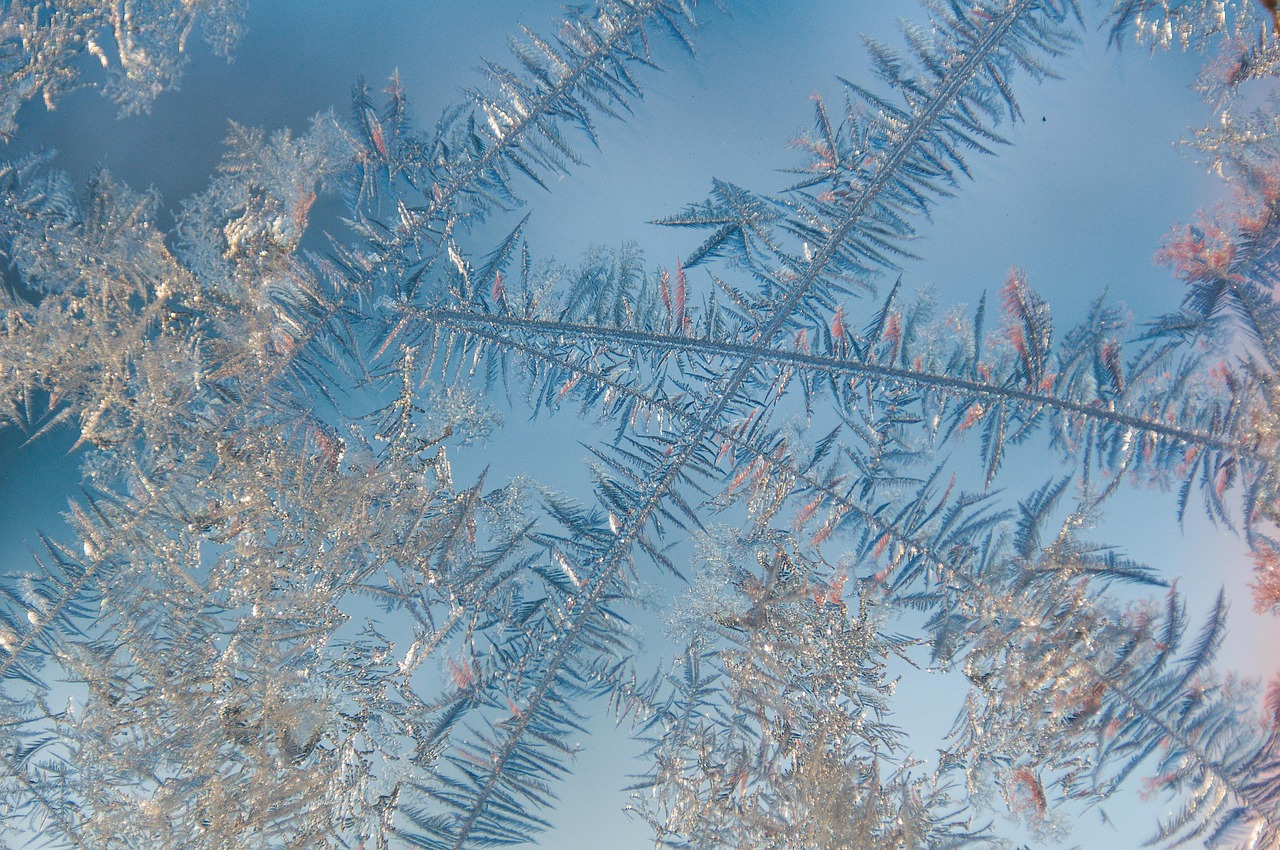
It refers to "a very sweet dessert wine made from grapes frozen on the vine and pressed while still frozen." I see—because the grapes are iced, it's called Icewine.
Was it born in Canada? Actually, no—it originated in Germany. At the end of the 18th century, a cold wave hit and the pre-harvest grapes froze. Thinking, "It’s a waste to throw them away," they tried making wine with them anyway, and that’s how it was born. Even when something unusual happens, it must be an opportunity for something else.◎ It’s an episode that makes you think that way.🌱
Starting around 1980, winemakers began moving to the extremely cold climate of Canada to produce it more consistently, and today Canada accounts for over 75% of the world's Icewine production.🇨🇦 Only wines produced in other countries like Germany and Austria can officially be called "Eiswein" (Icewine).
Based on past learning, I have this image that grapes from cold regions have lower sugar levels and higher acidity. What about the grape varieties used for Icewine in Canada? And why does making wine from frozen grapes result in such a sweet taste?
Grapes used for Icewine are cold-hardy varieties
White grape varieties known for their cold resistance, such as "Vidal" and "Riesling," are used for Icewine. "Vidal," in particular, accounts for about 80–90% of grapes used for Icewine.
"Vidal" is said to have a thick skin and the toughness to withstand low temperatures of -25℃ to -30℃, as well as bird damage (being eaten by birds). (I wondered if it was the origin of the shampoo name Vidal Sassoon, but it turns out the shampoo is named after a person named Vidal Sassoon. By the way, the Vidal grape is also named after a person named Jean-Louis Vidal.✍️)
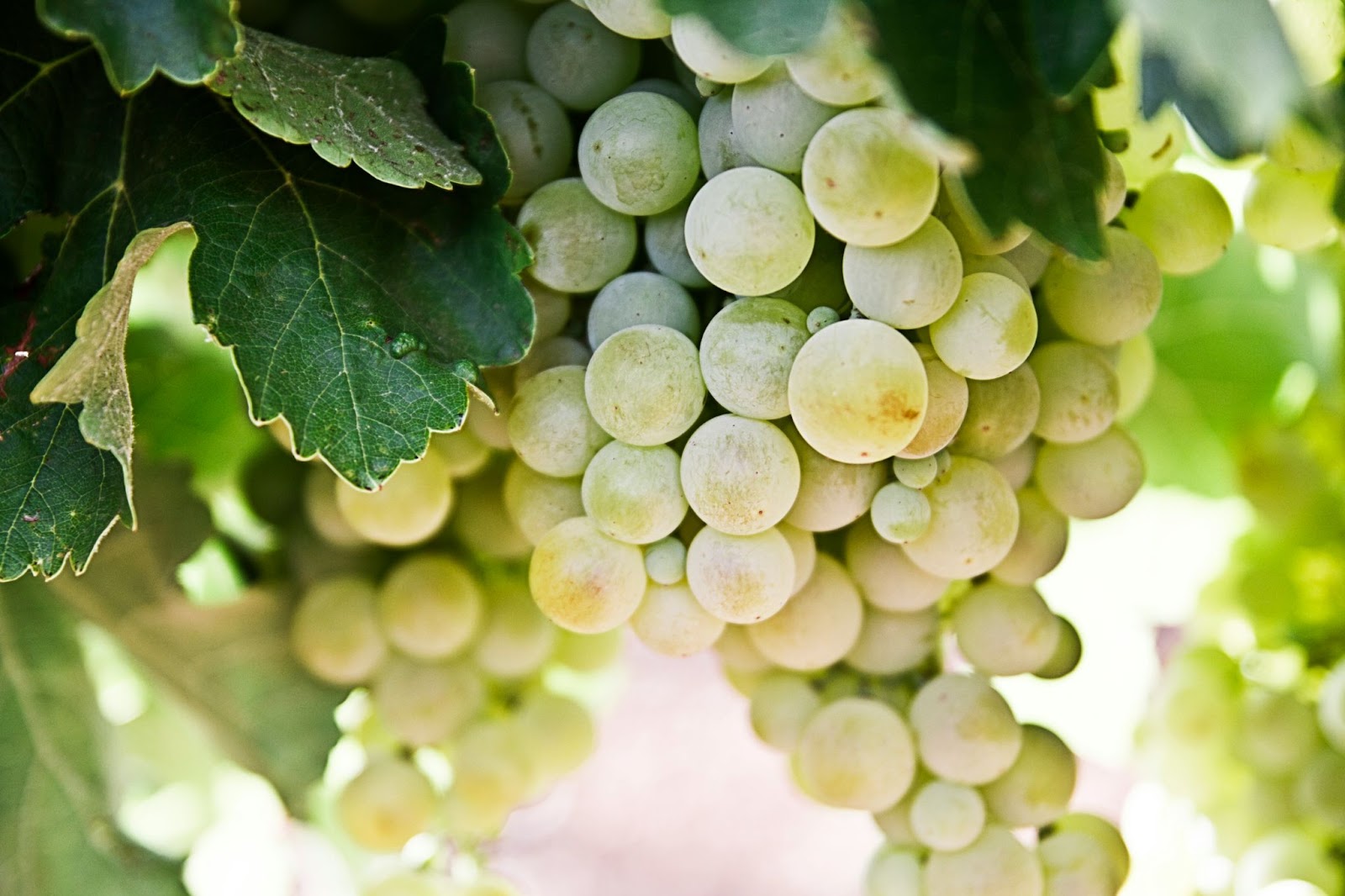
Vidal is a cross between "Trebbiano Toscano," the most widely grown white grape variety in Italy (known for high acidity and sugar accumulation), and "Rayon d'Or," a French variety with cold and disease resistance.
It was originally developed in France to make Cognac. Characteristics of grapes for Cognac include high acidity and low sugar, but Vidal is known as a grape with high sugar content. It was discovered by a French winemaker searching for new varieties for cold climates at a winery in Ontario, Canada, and after crossing the ocean, it became a great success in Canada.
Why Vidal has high sugar content
One reason for Vidal's high sugar content is that it is inherently a variety capable of accumulating "high sugar content (high sugar levels)."
Another factor is the "harvest time." Usually, grapes are harvested in autumn, but by leaving them on the vine long past that period, they absorb more sugar, which is reflected in the grapes. Also, after autumn, the large temperature difference between day and night plays a role. When the temperature at night is low, the sugar accumulated through photosynthesis during the day is less consumed by respiratory activity.
Combined, these factors allow the grapes to wait for the time of harvest while maintaining high sugar levels.
The power of freezing to increase sugar content further
To be called Icewine in Canada, producers must follow the regulations set by the "VQA (Vintners Quality Alliance)."
The rule is to "harvest after three consecutive days of temperatures at or below -8°C." What happens when the grapes are frozen at -8°C or lower?
First, the water freezes, and the sugar remains in the liquid. When grapes freeze, the water turns into ice crystals, but the sugar, acid, and aromatic components remain unfrozen in the liquid portion. It is also a rule to press them while frozen, but what actually happens?
When frozen grapes are pressed, the ice (water) is removed, and only the juice with concentrated sugar is extracted. The sugar content of this juice reaches about twice that of normal grapes. If you imagine thawing a frozen sports drink, it might be easier to understand—the liquid that melts first is the sweetest part.
This concentrated, high-sugar juice is fermented slowly at low temperatures. Because the sugar content is so high, the yeast cannot convert all of the sugar into alcohol, resulting in a sweet wine (dessert wine).
The limits of yeast activity
"Because the sugar content is so high, the yeast cannot convert all of the sugar into alcohol."
This phrase caught my attention, so I’m digging into it. Sugar is essential for alcoholic fermentation, but is it bad if it's too high?
During the process of alcoholic fermentation, yeast is exposed to the alcohol it produces. The alcohol tolerance of typical wine yeast has an upper limit of around 15%; beyond that, the yeast may die or its activity may drop significantly. One reason is reaching this alcohol tolerance.
Another reason is that if the sugar concentration in the juice is extremely high, the osmotic pressure increases, causing water to be drawn out of the yeast cells—this is called "osmotic stress." This inhibits yeast growth and fermentation activity, causing fermentation to stop while sugar remains.
■ The mechanism of osmotic stress
- What is osmotic pressure?
When two liquids are separated by a semipermeable membrane (like a cell membrane, which only allows water to pass through) and one side has a higher concentration of dissolved substances (like sugar or salt), the solution exerts a force to draw in water. This force is called "osmotic pressure."
When osmotic pressure is high—meaning the concentration of the solution is high (lots of sugar or salt dissolved)—it exerts a strong pull on water. For example, when you sprinkle salt on a cucumber, water from inside the cucumber's cells moves out, making it limp. This is a phenomenon where water leaves the cells because the osmotic pressure outside (saltwater) is higher than inside the cell.
- Osmotic stress on yeast
In the case of yeast, the cell membrane acts as a semipermeable membrane. When yeast enters juice with high sugar content, the sugar concentration outside is higher (higher osmotic pressure), drawing water out of the cells and leaving the yeast in a dehydrated state. This is called "osmotic stress."
As a result, not all of the sugar is converted into alcohol, leaving sweetness in the wine.
Speaking of high sugar content, honey is the same. In the case of mead making, we dilute the honey with water to lower the sugar concentration and promote fermentation.🍯 If we froze honey, would it make "Ice Mead"? I’ll ask our brewing team and provide an answer in next week’s article.
Now that I’ve researched this much, I want to drink Icewine. However, one bottle costs over 10,000 yen, so I was intimidated. Still, it would be interesting to compare it with mead, so I’ll buy some next time and do a tasting. See you next week!
シェアする:
About barrel-aged mead
Dear Sommelier (Side Story) - Does ice mead actually exist?