
Good morning 🍇 After finishing the long America section, this time we are in Argentina. (I just realized that the textbook seems to introduce regions in 50-on order.)
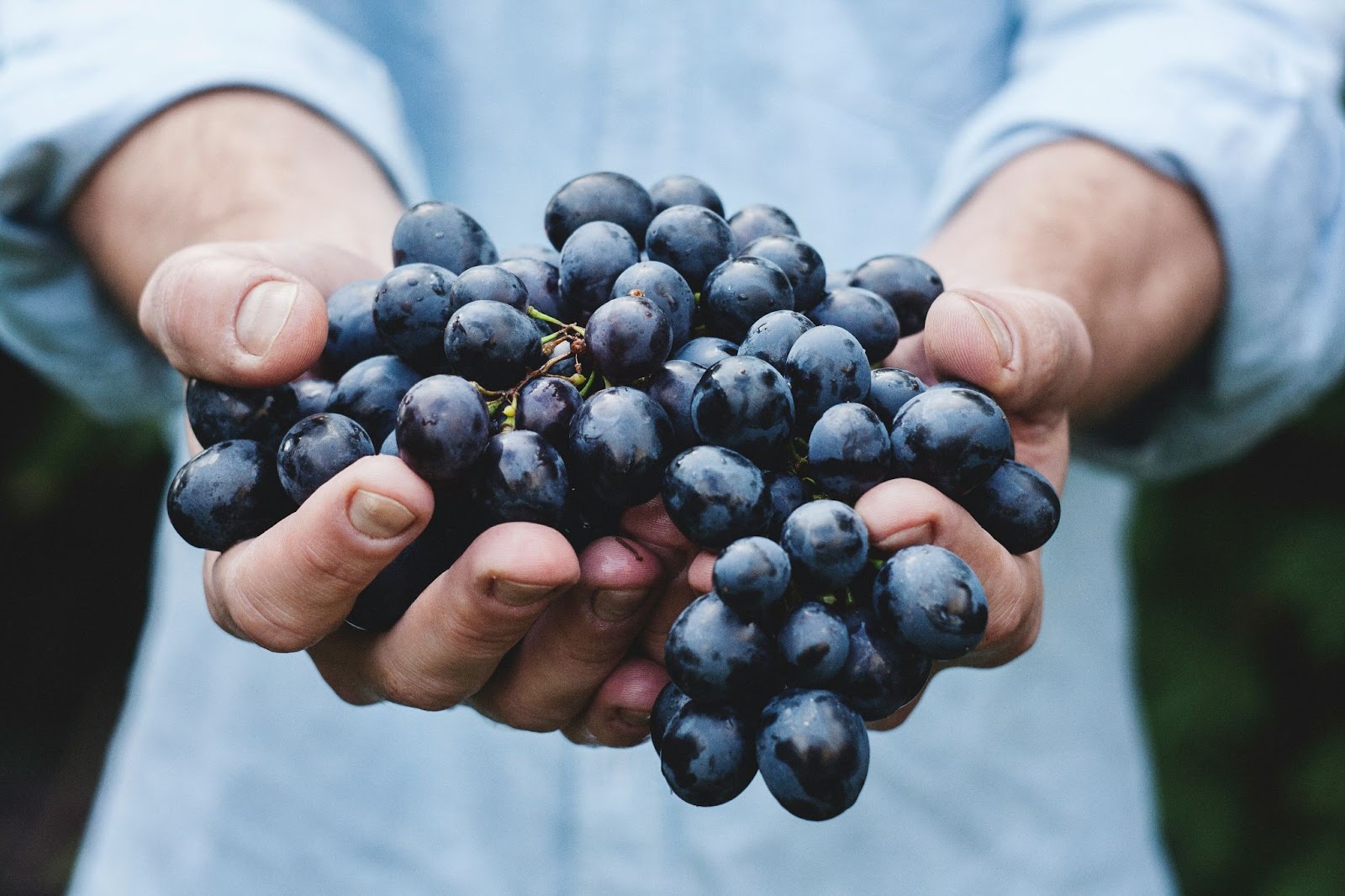
While researching the wine scene in Argentina, the grape variety "Malbec" really caught my eye. While the cultivation area for other grapes is shrinking, it continues to increase, and Argentina actually accounts for approximately 90% of the world's Malbec cultivation area.
It originally hails from Cahors in southwest France. On April 17, 1853, the first vines were planted in Mendoza, Argentina, and that marked the beginning of its growth into such a vital variety that it is now considered the face of Argentine wine. Commemorating that day, the people of Argentina have such an attachment to it that they call April 17 "Malbec Day."
However, as I started researching Malbec, I immediately hit a major wall.
It was this explanation that I often see in textbooks:
"Malbec skins are a very deep purple to black. Because the berries are small and the skins are thick, it results in a wine that is rich in tannins and has a very deep color."
Reading this, I simply couldn't understand the logic behind the explanation.
1. Why does the skin become a deep purple to black?
2. Remind me, what exactly are tannins again?
3. Why do small berries with thick skins result in a wine that is rich in tannins and deeply colored?
These and other questions were racing through my head. Nakayama, who has set "Don't pretend to understand" as her motto for 2025, decided to solve these mysteries one by one.
1. Why does the skin become a deep purple to black?
The keys to solving this mystery lie in (1) genetic traits and (2) adaptation to the environment.
(1) Genetic traits
Not limited to Malbec, grape berries start out yellowish-green. As they ripen, they gradually change from purple to black. In the case of Malbec, this color change is particularly striking.
The reason is the work of a pigment called "anthocyanin." In our daily lives, the purple color of eggplants and blueberries comes from this anthocyanin pigment. This anthocyanin is a component that protects the plant from strong sunlight, much like how we wear sunscreen. Malbec has the characteristic of accumulating more anthocyanins than other varieties.
Also, the fact that Malbec berries are small is a factor that makes it easier for pigments to concentrate.
(2) Adaptation to the environment
For example, in high altitudes like Mendoza Province in Argentina (the region with the highest Malbec production, at an altitude of about 1,500 meters), the vines are exposed to strong ultraviolet rays. As a result, more anthocyanins are produced.
A study conducted in 2018 shows some interesting results:
・Low altitude: Lower amounts of anthocyanins
・High altitude: Higher amounts of anthocyanins
In other words, it seems that the higher the altitude, the more "sunscreen" (anthocyanin) is produced.
Let's take a look at other specific environmental factors that help Malbec grow:
===
■ Temperature conditions
・Ideal average annual temperature: 15–18°C
・Large temperature difference between day and night is necessary
→ Result: Pigment is more concentrated due to the temperature difference
■ Sunlight conditions
・Plenty of sunlight is necessary
→ Result: Pigment production is promoted by UV rays
■ Humidity conditions
・Dry climate is preferable
→ Result: Pigments in the skin are more concentrated
===
Interestingly, all of these are conditions for deeper coloration.
In other words, in addition to Malbec's genetic traits, all the conditions for growing the best-tasting grapes (sufficient sunlight, large temperature differences, dry climate) result in turning the skin a deep purple-to-black. This could be said to be the result of the Malbec variety's personality being maximized by its interaction with the environment.
2. Remind me, what exactly are tannins again?
I only knew them as a substance that appears in my favorite anime, "Detective Conan," and is contained in black tea and wine, but let's dig a little deeper.
"Tannin" is an astringent component found in plants. It is particularly abundant in leaves, bark, and unripe fruit. It is a substance that plants have evolved as a defense mechanism to protect themselves.
Specific defensive functions include:
・Preventing insects and animals from eating them due to the astringency or bitterness
・Binding to proteins to prevent animals from absorbing nutrients from the plant
・Protecting the plant from strong UV rays
The name "tannin" comes from the English word "tan," meaning to process animal hides into leather. This is because it has long been used in tanning (removing unnecessary proteins from raw animal skins).
In red wine, it is contained in the grape skins and seeds, and is the source of the astringency.
Other things that contain it in large amounts and are responsible for their characteristic astringency include:
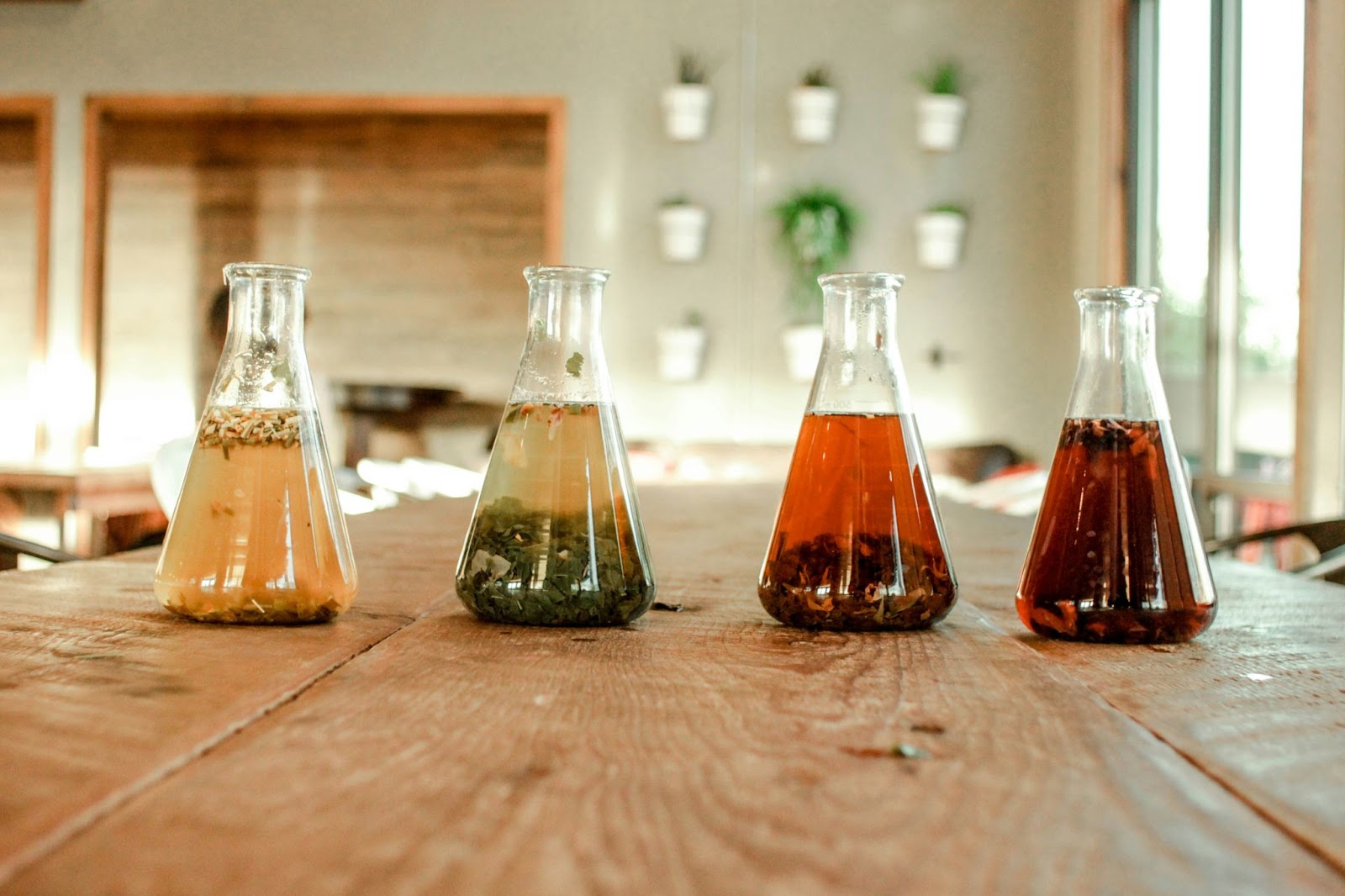
・Teas made from the "tea plant" (Camellia sinensis) such as green tea, black tea, and oolong tea
・Coffee
・Persimmons
You could say that these two components, the "anthocyanin" introduced in section 1 and tannins, create the unique flavor and color of Malbec.
3. Why do small berries with thick skins result in a wine that is rich in tannins and deeply colored?
Before we get to the biggest mystery based on points 1 and 2, let's look at why Malbec berries are small with thick skins.
Similar to point 1, both (1) genetic traits and (2) environmental adaptation seem to be involved.
Being small is a trait inherited from parent varieties and is advantageous for survival in dry climates and high altitudes. Thick skins protect the fruit from strong sunlight and dryness, and increase resistance to pests and diseases.
So, why does having small berries and thick skins lead to a wine rich in tannins and deep in color?
I didn't understand, so I asked an AI to come up with an example.
===
Using the same amount of tea leaves (5g):
・Brewing tea in a large teapot (500ml)
・Brewing tea in a small teapot (200ml)
In this case:
・The amount of tea leaves (= grape skins) is the same
・The amount of hot water (= grape juice) is different
The small teapot will make a stronger cup of tea, right?
The same thing happens with Malbec:
・General large-berry variety: 10g of skin for 90ml of juice
・Small-berry Malbec: 20g of skin for 80ml of juice
In other words, Malbec is in a state of "brewing tea in a small teapot."
===
It definitely makes sense that a smaller teapot would produce a darker tea!
As I explained in the first question, Malbec skins contain anthocyanin, a reddish-purple pigment. Because a large amount of pigment dissolves into a smaller amount of juice, the result is a deep color.
Also, anthocyanins and tannins exist together in the skin, and there is a correlation in their content. In other words, grapes with a lot of anthocyanin usually also contain a lot of tannin.
Tannins do not directly produce a black color, but they bind to anthocyanins to stabilize the color and create a deeper hue.
In short, the Malbec characteristics of small berries and thick skins condense the anthocyanins and tannins, and the interaction between these two components results in a wine that is deeply colored and strongly astringent (derived from the tannins).
I would have liked to write a report on drinking an Argentine Malbec... but unfortunately, I couldn't get my hands on one.
Instead, I decided to start by tasting a wine from the origins of Malbec: the Cahors region of France 🍷 I want to taste it while actually verifying the "blackish color," "tannins," and "skin characteristics" I have unraveled so far.
Look forward to the comparison with Argentine wine next time!
■ This Week's Tasting Report
Rigal Cahors Les Terrasses 2020 | Maison Rigal
The wine I tasted this time is from a winery called Maison Rigal. It is a historic winery established in 1755 in the Cahors region, the birthplace of Malbec. They own over 250 hectares (about 53 Tokyo Domes!) of vineyards in Cahors and have built up unique expertise on Malbec. Today, they work with various producers and partner wineries across southwest France to offer a wide range of wines.
The label of this wine depicts terraced fields, a landscape characteristic of the Cahors region. It represents the scenery where limestone slopes and terraced fields spread out along the valley carved out over many years by the Lot River (a large river in southwest France) that flows through the Cahors region.
How are the Malbec characteristics I learned about earlier expressed in this wine? 🍷 The moment I poured it into the glass, I thought, "It really is black!" Having thought about the reasons for this darkness for so long, it was moving to actually see it with my own eyes.
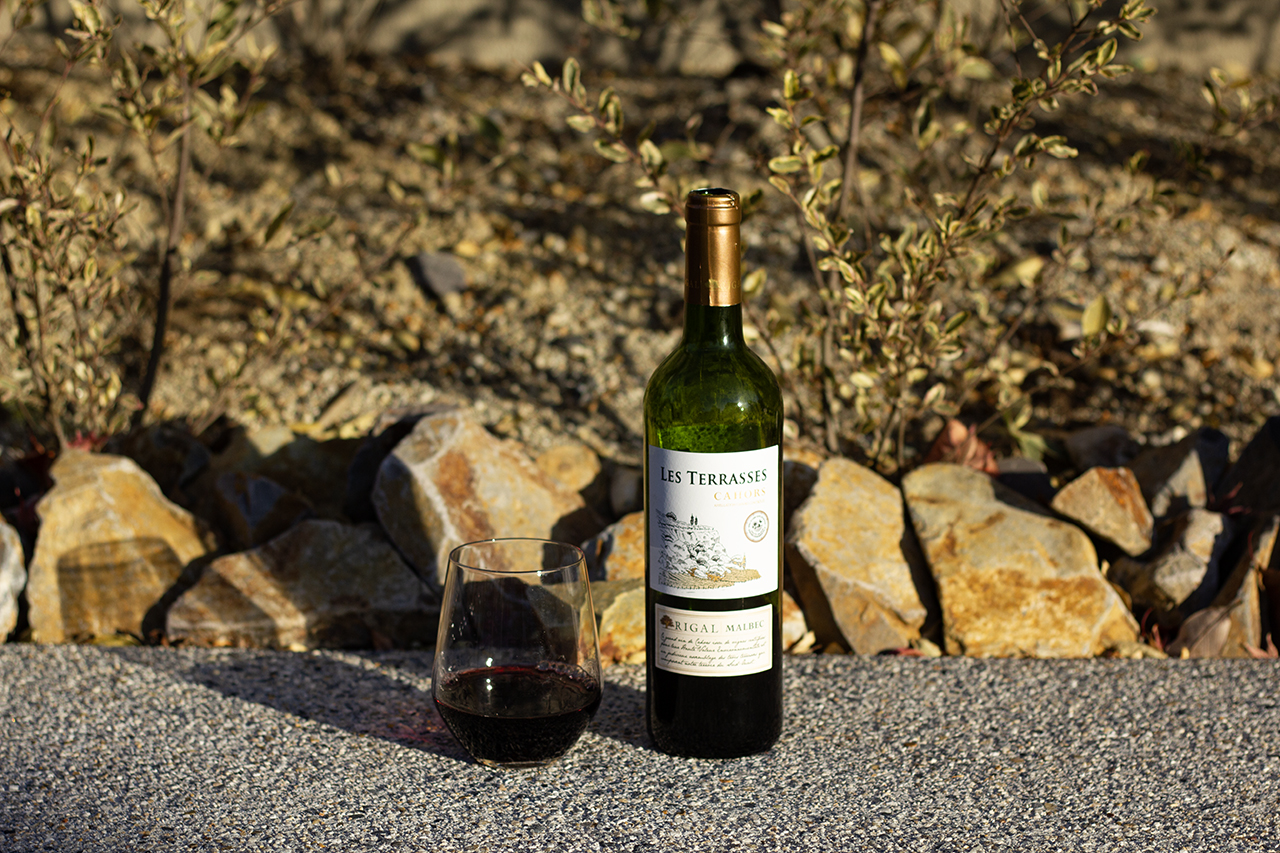
・Appearance: Deep and glossy. It has a blackish tint, a hue like concentrated dark-colored American cherries. The texture is light.
・Aroma: Subtle, only felt when leaning in to smell it thoroughly. Besides the scent of blackberries, I felt a spiciness like black pepper and Japanese pepper. It also had a sensation like strongly acidic coffee.
→ When I put it in the fridge for a night and smelled it in the morning, I could clearly sense a toastiness I hadn't felt last night 🍞 I'm curious about what happened, but I'll make that a theme for a future post!
・Taste: Slightly light, smooth, and mellow. I felt an astringency and acidity that pinched the sides of my tongue. A lingering bitterness and astringency remained at the back of my tongue, like eating a slightly bitter berry. There was a sense of alcohol, but it wasn't heavy on the palate, so it went down smoothly.
→ I felt the acidity more than last night. By chilling it, it felt even smoother and easier to drink.
・Price: 1,628 yen (tax included) / 750ml
I bought this at a nearby Aeon store this time. Starting next time, I will resume my journey of visiting liquor stores! Thank you so much for your support in 2024. I look forward to your continued support in 2025.
シェアする:
Thoughts on "Mead tastes bad"
Dear Sommelier - Italian Classico