
My journey through Italian wine continues this week
Anyway, I recently went to Tokyo for a L'Arc-en-Ciel concert. In between, I visited "202 WINE & GROCERY," where they kindly serve magnum bottles at their anniversary festivals. I asked the owner, Mr. Yamashita, to suggest some Italian wines for me.
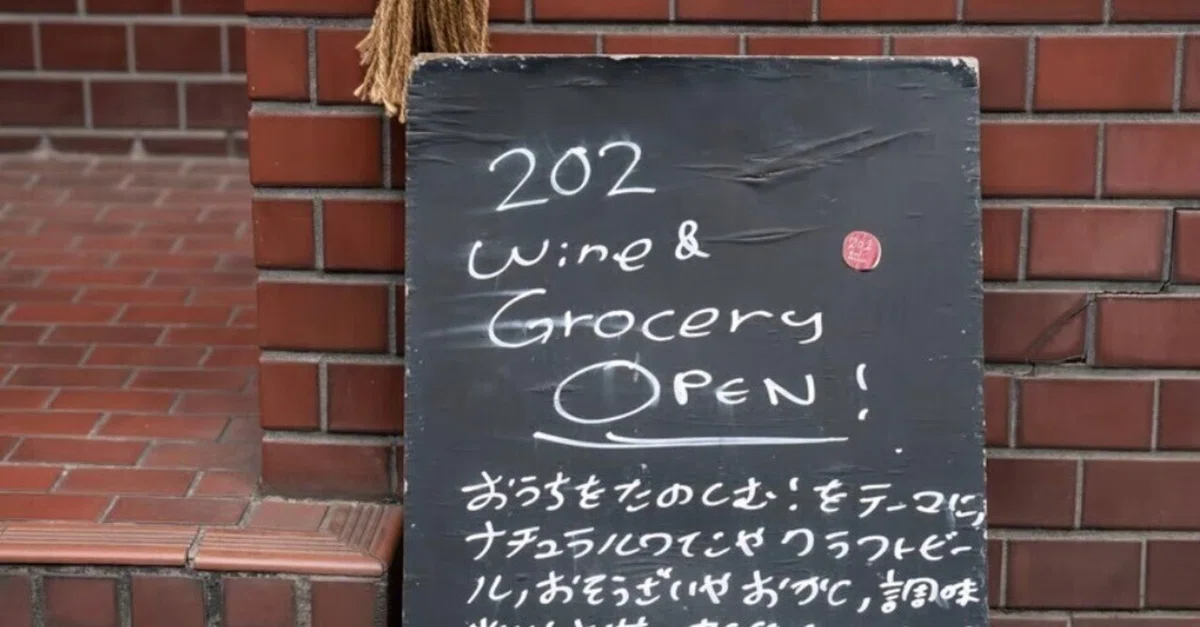
My requests were simple:
1. Around 4,000 yen or less
2. Uses Italian grapes
3. Easy to pair with food
"In that case, this is my top recommendation right now!" Mr. Yamashita said as he picked up the "Croci Valtolla Bianco [2022]." The star of this wine is a grape variety called "Malvasia Bianca di Candia." It's the longest name among the grape varieties I've learned so far, and I feel like I'll be a bit of a wine connoisseur once I can say it naturally

"Malvasia" is a general term, and it is said there are about 20 varieties in Italy alone. It is a popular variety grown all over the world, from white to black grapes. I’ve heard that even one of the world's three great fortified wines, Portugal's "Madeira," includes a type of Malvasia among its permitted grape varieties.
Among them, the "Malvasia Bianca di Candia" used here is grown particularly in the Lazio region (the capital of which is Rome), and is characterized by the fact that it is often blended with other varieties rather than used on its own.
Once again, two mysteries regarding "Malvasia Bianca di Candia" have popped up in my mind this week.
-
"Malvasia Bianca di Candia" seems to be grown a lot in the Lazio region, so why have I rarely heard of it?
-
Why is it often used in blends?
To solve these mysteries, I decided to do some research

1. Why have I rarely heard of the grape name "Malvasia Bianca di Candia"?
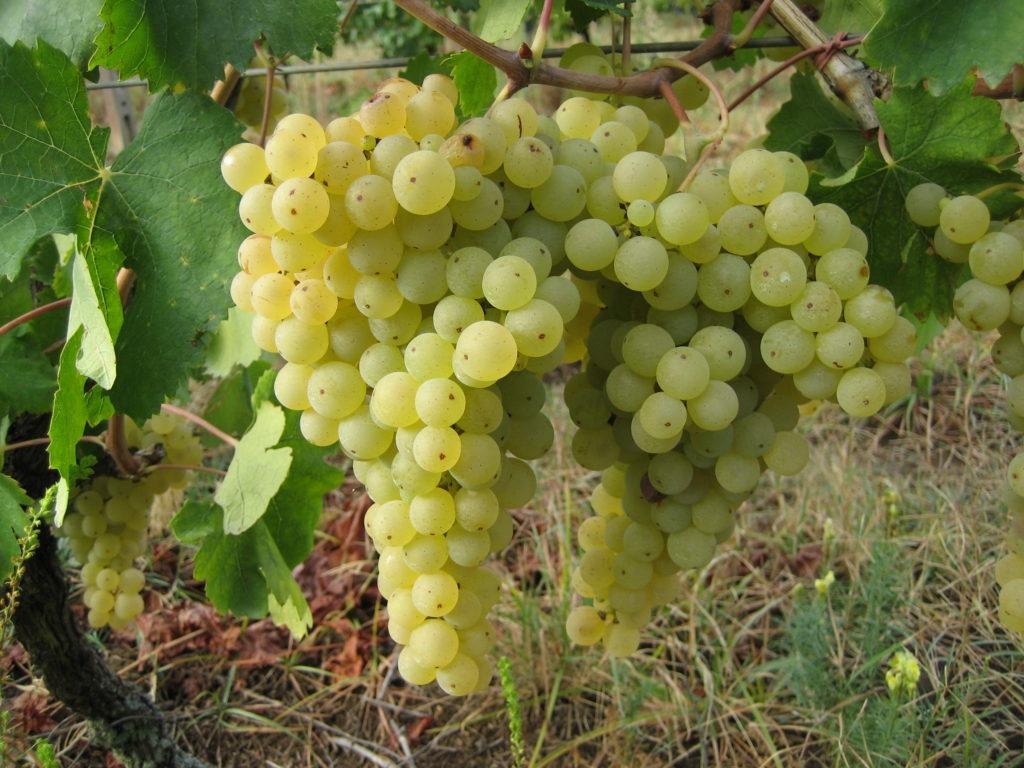
I could just say that my own wine knowledge is insufficient and leave it at that, but following my curiosity, I've developed some hypotheses as to why that might be.
<From the perspective of a grape grower>
① Is it because total production is actually low?
I read that it is common in the Lazio region, but is that true? According to 2015 Eurostat (European statistical office) data, its cultivated area in Italy is approximately 6,983 hectares. According to data from that year, Malvasia Bianca di Candia ranked 9th out of 43 varieties in Italy. It doesn't seem like a variety with particularly low production.
<From the winemaker's perspective>
② Is it difficult to ferment?
I couldn't find a solid source for this, but I did look into what makes fermentation difficult.
For example, a grape variety called "Furmint" from Hungary has extremely high sugar content, so it can take several years to ferment. (High concentrations of sugar cause yeast cells to dehydrate, which slows down metabolic activity.) On the other hand, "Malvasia Bianca di Candia" doesn't have the characteristic of extremely high sugar content, so it's unlikely to take years to ferment.
Also, rather than a characteristic of the grape variety itself, fermentation difficulties seem to be influenced by climatic conditions and nutritional factors—for instance, extreme heat or cold, or a lack of nitrogen, vitamins, minerals, or amino acids.
Therefore, if there was a difficult year, it wasn't because Malvasia Candia specifically was unsuitable for fermentation, but rather due to climate or winemaking techniques; it cannot be said there is a problem with the grape itself.
<From the seller/consumer perspective>
③ Is the flavor profile too idiosyncratic to recommend?
What about this? Online shops dealing in Italian wine abroad (WINETLY, tastepiacensa) had the following descriptions:
“Its distinct aroma and flavor profile make it a unique and sought-after variety in the wine industry.”
“A sweet, warm, soft sip is balanced by the flavor and freshness typical of the calcareous terroir.”
As far as I can read, I don't see any description that would suggest the flavor is polarizing. Moreover, the fact that a wine professional like Mr. Yamashita recommended it to me suggests there is no issue with its flavor.
So, the most plausible hypothesis is:
・The volume distributed in Japan is not yet sufficient, and it hasn't reached people like me who are just starting to study wine.
Why then is it not imported to Japan? I'll explore that on another occasion 🐝
2. Why is it preferred to be used in blends?
Next, why is "Malvasia Bianca di Candia" often blended? My first thought for a hypothesis was that its flavor on its own—perhaps the sweetness or acidity—isn't sufficient, so I looked into it again.
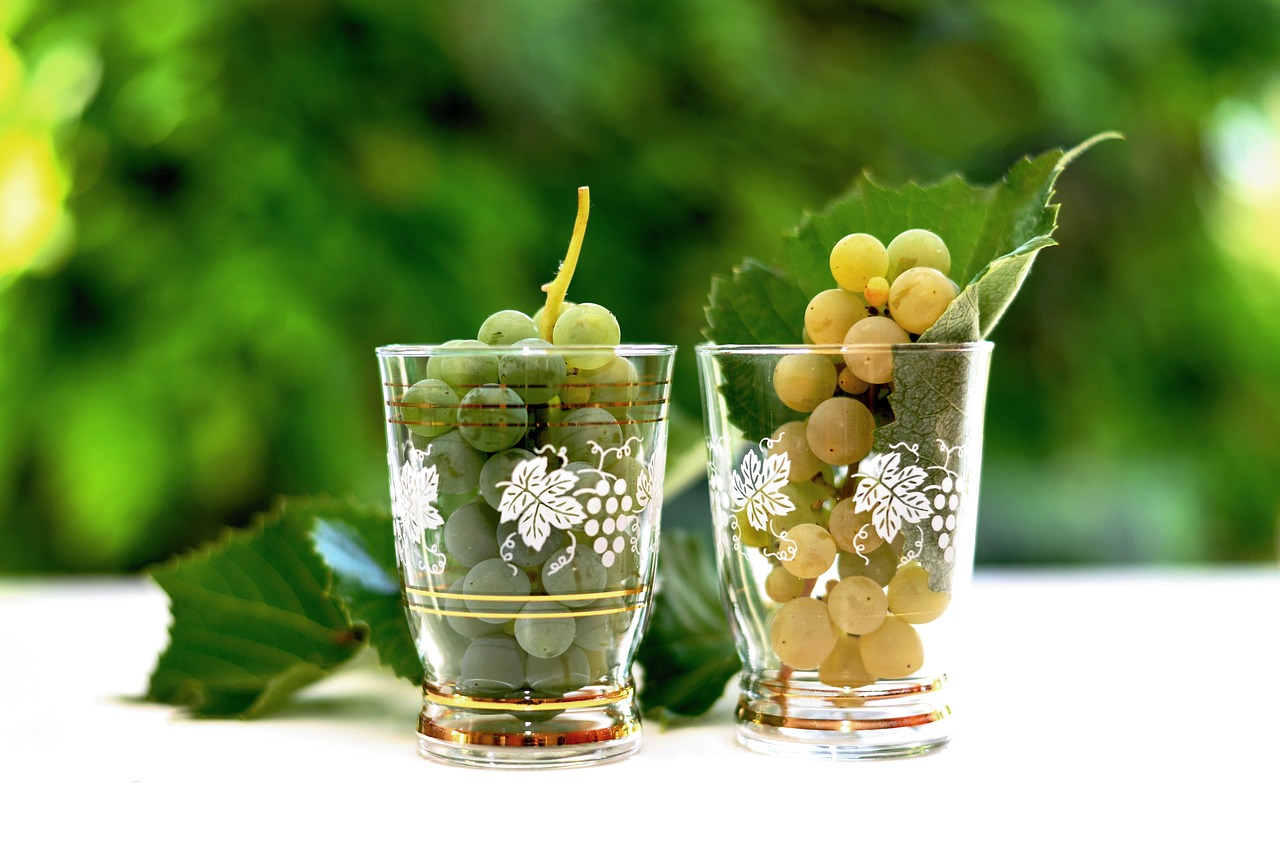
According to the website of an Italian wine production cooperative, among the Malvasia varieties registered in Italy, only "Malvasia Bianca di Candia" is permitted for the production of Malvasia DOC wines in the "Colli Piacentini DOC (*1)" region.
Additionally, for "Frascati Superiore DOCG (*2)," which is a Malvasia-based white wine, a minimum of 70% of "Malvasia Bianca di Candia" and/or "Malvasia del Lazio" is required.
In terms of aroma, it is said to have delicate scents of white flowers and fresh citrus, notes of green and yellow apples, and grassy aromas, accompanied by a light body and pleasant acidity. Just hearing that, it sounds delicious.
Considering that it is permitted for use in DOC and DOCG wines, it's hard to say that "Malvasia Bianca di Candia" lacks charm on its own.
So why blend it? Based on the above, perhaps blending "Malvasia Bianca di Candia" enhances the flavor of other varieties?
The answer is yes. For example, when blended with "Trebbiano," another important Italian white wine grape variety, it is said to have the effect of softening Trebbiano's acidity. It is also said to provide aroma and texture, so it makes perfect sense that it is actively used in blends, which is also reflected in its permitted use in DOC wines.
"Malvasia Bianca di Candia" is a grape variety that can shine as a lead but is also a great supporting actor because of its excellence. If it were in a class, it would definitely be a popular student.
A wine that uses 100% of such a "Malvasia Bianca di Candia" must be absolutely delicious. Now that I know this, I want to talk to Mr. Yamashita again 🍊
Now, let's taste the "Croci Valtolla Bianco [2022]"!
(*1) Colli Piacentini is an important wine-producing region in the Emilia-Romagna region of central Italy.
(*2) It was part of the Frascati DOC established in 1966; some parts became independent as a DOCG in 2011.
■ This Week's Tasting Report
Valtolla Bianco [2022] | Croci Valtolla Bi
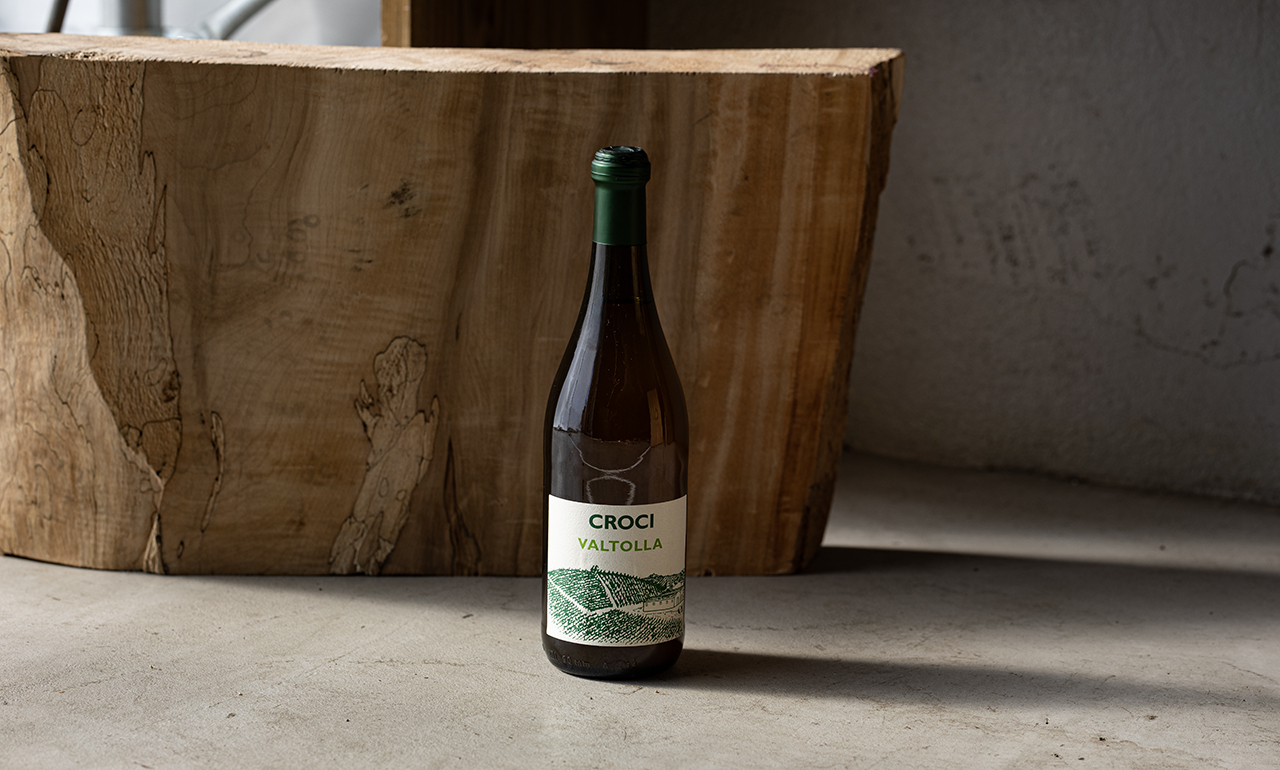
Croci, the producer of this wine, is located in the Emilia-Romagna region of central Italy and is a historic winery that began in 1935. It seems they started as a mixed dairy and crop farm, but began winemaking in earnest in the 1980s, and it is now run by the founder's grandsons, Massimiliano and his brother Giuseppe.
Croci's traditional method is a unique approach passed down since the 1930s. The grapes are fermented with their skins using native yeasts, but due to the soil characteristics, the yeast is not very active, causing the fermentation to progress slowly. I'm drawn to the world where the fermentation stops in the winter cold and begins again with the warmth of spring—a process that aligns with the rhythms of nature.
With an annual production of 20,000 to 30,000 bottles, it is by no means large. However, I feel that a lot of care is poured into each and every bottle, which increases my anticipation for the wine.
===
・Appearance: A gentle haze like a mist, with a beautiful hue that screams "orange wine." The liquid is light but filled with sediment.
(Yazawatchi's Tips: The viscosity of a wine can be expressed by the "lines" left in the glass after swirling. I'll use that from next time.)
・Aroma: The first thing I felt was... an ink-like scent. I was told later that this is called an "ethyl acetate" aroma. I could clearly detect the green apple aroma that was noted as a characteristic of "Malvasia Bianca di Candia." There was also a limestone quality and somehow a scent of the seaside.
・Taste: When taken into the mouth, it spreads gently and smoothly. It’s refreshing to drink, with a pleasant astringency surprisingly similar to green tea. However, there is almost no bitterness, so it seems easy to recommend even to those who aren't fans of wine. The modest grape sweetness felt at the end was truly charming.
・Food Pairings: It would pair well not only with flavorful meat dishes like pork belly stew (kakuni) but also with lighter fare like white fish carpaccio.
・Price: 4,180 yen (tax included) / 750ml
シェアする:
To you, my sommelier - The Gaja Family
To my dear sommelier friend: Nero d'Avola from Sicily