
Uruguay, familiar to many as "Uruguay here." Last week, I touched on the black grape variety "Tannat," which is essential when talking about Uruguayan wine.
Even though it looks similar to the "Malbec" from neighboring Argentina, the content is completely different. I took a deep dive into both of them 🍇 (If you're curious, please take a look back at Ohayo Biwako Vol. 111!)
Since we talked about red wine last week, I decided to do some research to learn about white wine this week!
Come to think of it, I felt like I had seen that black grape cultivation is more prevalent in Uruguay, so I checked again, and the ratio of planted area is 8 (black grapes) : 2 (white grapes). It felt like a very large difference.
Is this really a big difference?
Argentina and Chile are skewed toward black grapes at 7:3, and France and Spain at 6:4. However, New Zealand is the exact opposite of Uruguay at 2:8. To solve this mystery, I gathered some clues.
The first hypothesis that came to mind was "the difference in climate." When I looked into the differences between Tannat and Malbec last week, climate had a big impact on the taste, right?
Black grapes have thick skins and are relatively resistant to sunburn, so they grow vigorously even in warm regions. But white grapes have thin skins, so they are prone to sunburn when exposed to strong sunlight (in reality, the grapes turn brown and quality drops). This is one of the reasons why there are many white grapes in cool New Zealand.
But it wasn't just the climate! Another major reason is "food culture."
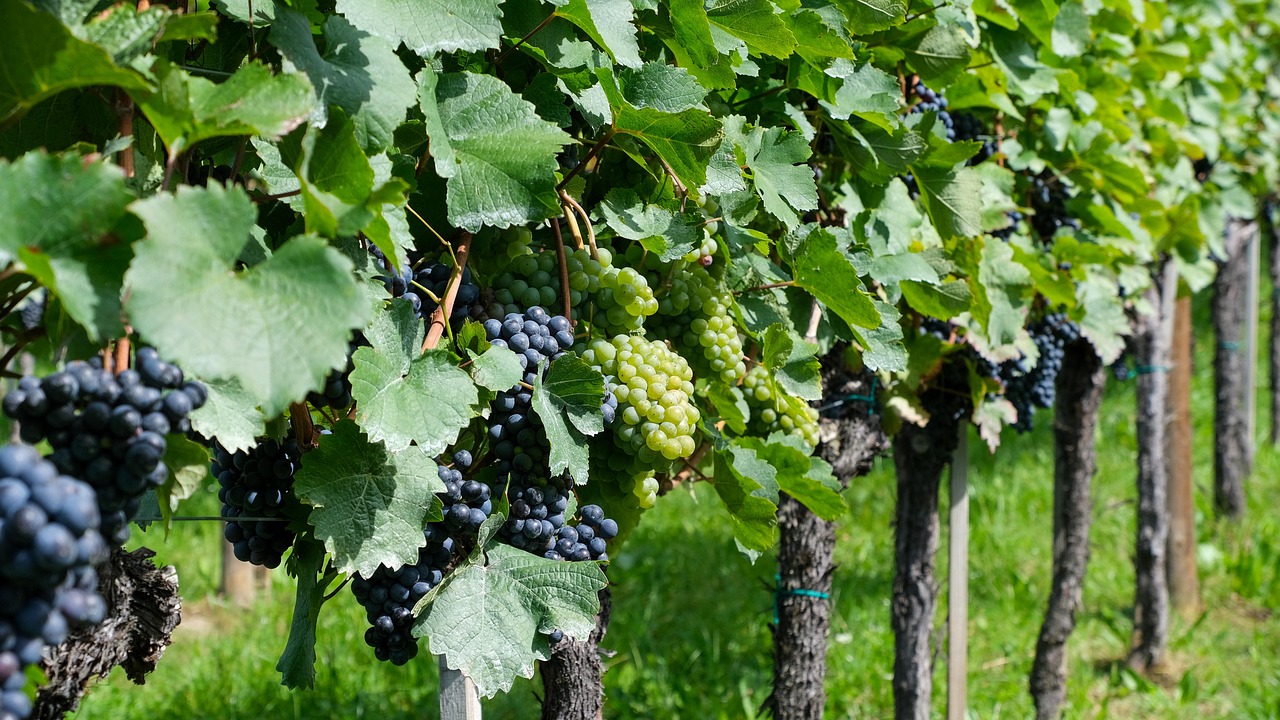
For example, in New Zealand, fish dishes are favored due to the environment blessed with marine resources, and the demand for white wine (especially Sauvignon Blanc) that pairs with them is increasing. On the other hand, Uruguay is known as a meat-loving nation, and it is said that they consume about 60kg of beef per person per year (about 6 times that of Japan!). It is said that on weekends, a barbecue called "Asado" is held in every home, and the town is wrapped in the scent of grilling meat 🥩
"The chicken and egg problem of food and wine" is a phrase I heard when studying Italy. Which came first? Did the regional food culture determine the characteristics of the wine, or was it the other way around? What is certain is that, looking at how wine is enjoyed today, the two are deeply intertwined.
...
By the way, because Uruguay has a warm climate, it doesn't seem like the kind of climate that white grapes prefer. Amidst all this, what kind of varieties are the white grapes that occupy 20% of the planted area, and how do they grow? I'll take a closer look 🔍
What kind of white wine varieties are there in Uruguay?
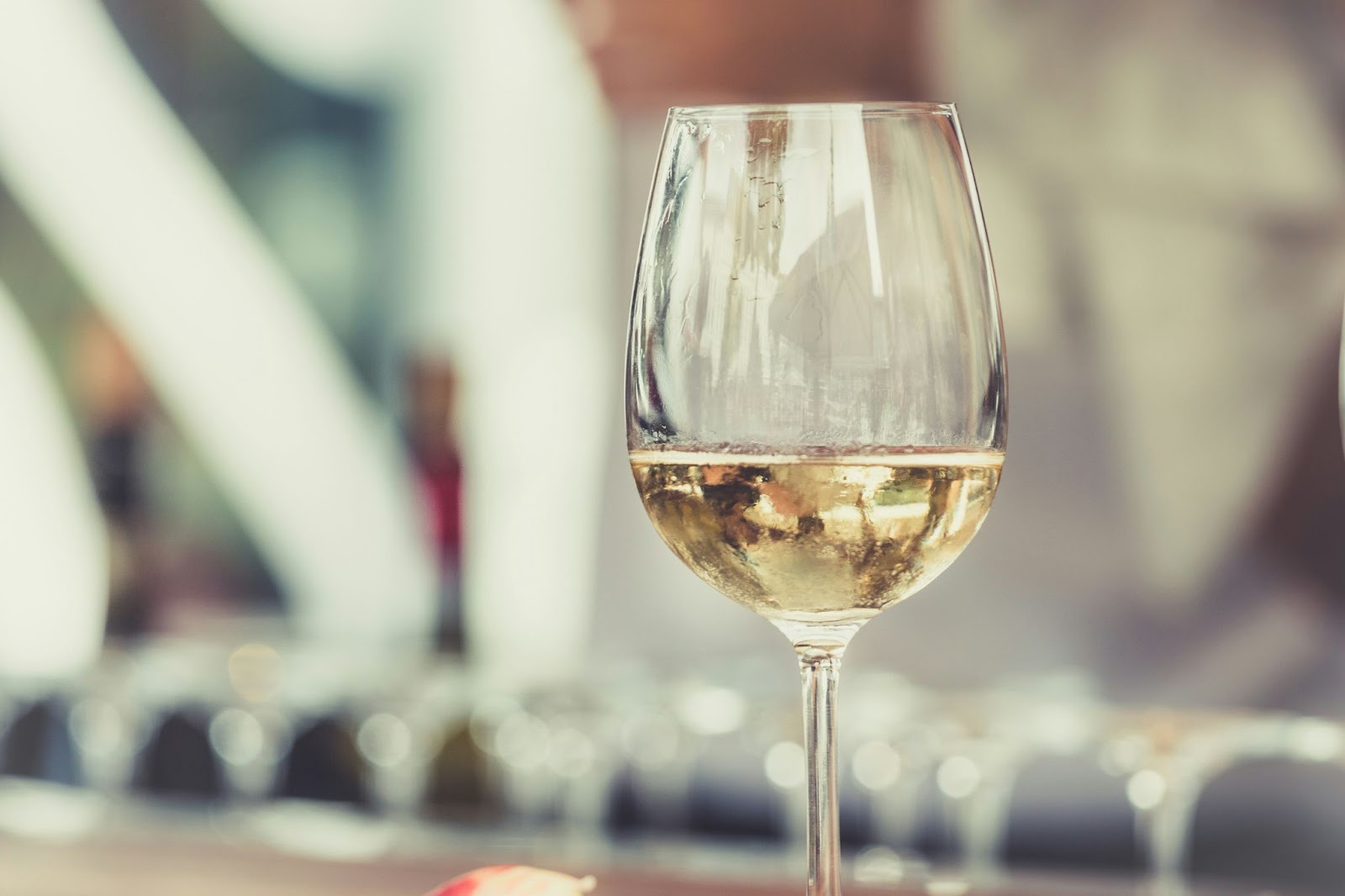
Ranked in the top 3 of the planted area are "Ugni Blanc," "Sauvignon Blanc," and "Chardonnay." These are white grape varieties that are highly recognized globally and originated in France.
That said, I'm embarrassed to say that it was my first time hearing the name "Ugni Blanc." When I looked it up, it seems it is often used as a raw material for distilled spirits (brandy) such as Cognac and Armagnac, and it doesn't seem to have much of a presence as a wine.
Why is "Ugni Blanc" often used in distilled spirits?
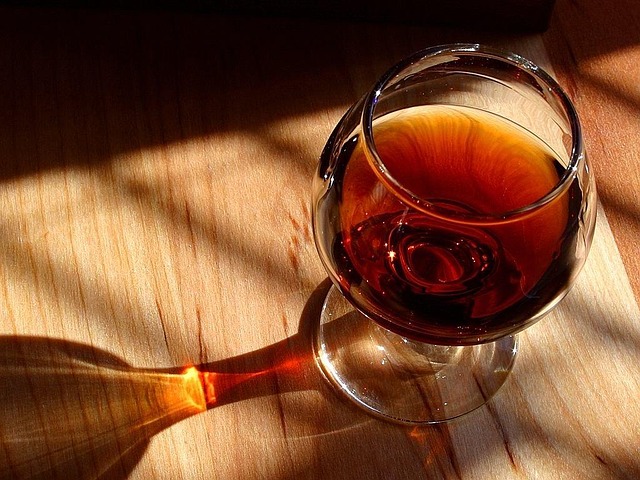
In the first place, what kind of characteristics do grapes used for distilled spirits have?
First, it is considered good for grapes for distilled spirits to have high acidity. If the sourness is firm, it brings balance and freshness to the taste after distillation.
High-acidity base wine (wine before distillation) plays an important role in producing esters (banana-like scents, green apple-like scents, etc.) and other compounds (aldehydes (nut-like nuances) and lactones (coconut and vanilla-like scents)) during aging.
Also, a lower sugar content is better.
If the alcohol content is low, the heating temperature required for distillation becomes relatively high. Then, aroma components such as esters and aldehydes are also easily evaporated together, bringing diverse and complex flavors to the final spirits. On the other hand, if the alcohol content is high, distillation proceeds at a low temperature, so these components are not sufficiently extracted, increasing the possibility of a flat taste as a result.
In addition to that, it's better if the grape itself doesn't have too unique a taste. This is so as not to disturb the scent of the barrel or the flavor from aging. Speaking in terms of wine actors, a great supporting actor type is required.
Lastly, it's even better if it's resistant to disease and has stable yields! This is because a lot of grapes are used when making brandy.
"Ugni Blanc" satisfies all these conditions. It couldn't become the lead in wine, but it blossomed in the world of brandy, a grape that somehow gives me courage.
---
"Chardonnay" that can handle diverse climatic conditions
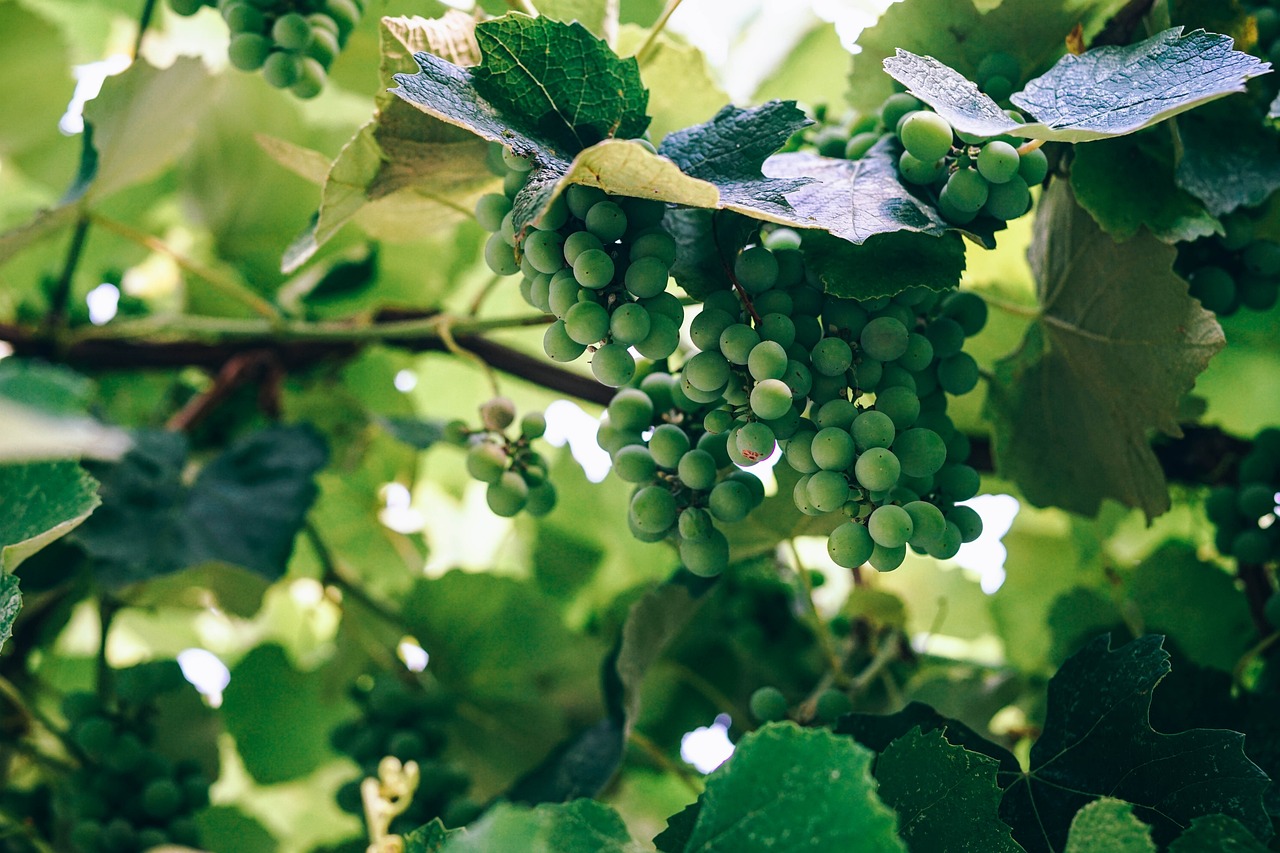
Looking at other grapes in the top 3, "Sauvignon Blanc" tends to prefer a cool climate. Therefore, in Uruguay, it is grown in relatively cool regions that are affected by sea breezes. On the other hand, "Chardonnay" is a variety with the flexibility to adapt to diverse climatic conditions.
■ Chardonnay grown in warm regions
Chardonnay grown in a warm climate is described as having "tropical fruit-like flavors." This refers to sweet, ripe scents and tastes reminiscent of tropical fruits (pineapple, mango, etc.).
In warm climates, the amount of solar radiation is abundant, photosynthesis becomes active, glucose (C6H12O6) is accumulated, and sugar content increases. Also, in a high-temperature environment, malic acid decreases, so the acidity becomes mild, resulting in a wine where sweetness and ripe fruitiness stand out. (The story about the decrease of malic acid is explained in detail in Vol. 111!)
■ Chardonnay grown in cool regions
Chardonnay grown in a cool climate is described as having prominent "acidity and minerality."
In cool regions, the amount of solar radiation is low and the accumulation of glucose proceeds slowly, so sweetness is suppressed and acidity is maintained. Also, because components derived from the soil (e.g., calcareous soil) affect the wine, they can be felt as nuances like "chalk" or "damp stones."
However, "minerality" has not been completely elucidated scientifically, and it is thought that not only soil but also the interaction with acidity is involved.
■ Is minerality born even in warm regions?
Even in warm regions, minerality can sometimes be felt under specific conditions such as calcareous soil. However, in warm regions, sugar content and fruitiness (tropical fruit style) are emphasized, so there is a tendency for minerality to be less noticeable, hidden by those.
---
What I thought through my study of Uruguayan grapes is that many of the major grapes originated in Europe, such as France and Spain. I checked to see if there were any grapes native to Uruguay, but it seems that none have been confirmed as of yet.
Why are there so many European-origin grapes even though there is soil where grapes can grow? The secret was in the classification of "Old World" and "New World" in the wine world (a name that feels like it could exist as a Jojo Stand).
Old World vs. New World

As the names imply, Old World refers to countries in Europe and the Mediterranean region with a long history of wine. On the other hand, New World refers to countries in North and South America, Oceania, and Asia (including Japan) where wine production started relatively recently.
The feature of the New World is that Old World grapes have adapted to new land and climatic conditions, developing their own unique personalities. "Tannat" and "Ugni Blanc," which I learned about this time, and Argentina's "Malbec" are exactly that.
Are the grapes in the Old World looking at the New World grapes with a feeling like they are slightly envious of their friends who went to study abroad and became active overseas?
Since there is soil where wine grows, I thought there could be many grapes native to the New World, but unfortunately, they are a minority. They said that there are no indigenous varieties because agricultural innovation was delayed and wine production was not emphasized due to little Christian influence, but I'm still not very convinced! I would like to investigate this thoroughly somewhere else again.
My journey of studying wine still continues 🍷 Thank you for your continued support!
シェアする:
Brewing Science - Glycerin
To my sommelier friend - UK Edition (Part 1)