
The Italian wine journey has finally reached its 6th week🇮🇹
After comparing last week’s two Nero d’Avola wines, I was amazed at how different they could taste despite being the same grape variety. One of the factors that creates that difference is "fermentation." This week, we finally dive into the last question: How does the flavor of grapes change before and after fermentation?🔍
===
【Three questions from previous weeks】
-
Under what conditions is the "concentrated fruity sweetness" characteristic of Nero d’Avola produced?
-
Are there grapes in Italy or other countries that are similar to Nero d’Avola?
-
How does the flavor of grapes change before and after fermentation? Does it change at all?
===
*Questions 1 and 2 were covered in Ohayou Biwako vol. 91 & 98, so please check them out if you're interested!
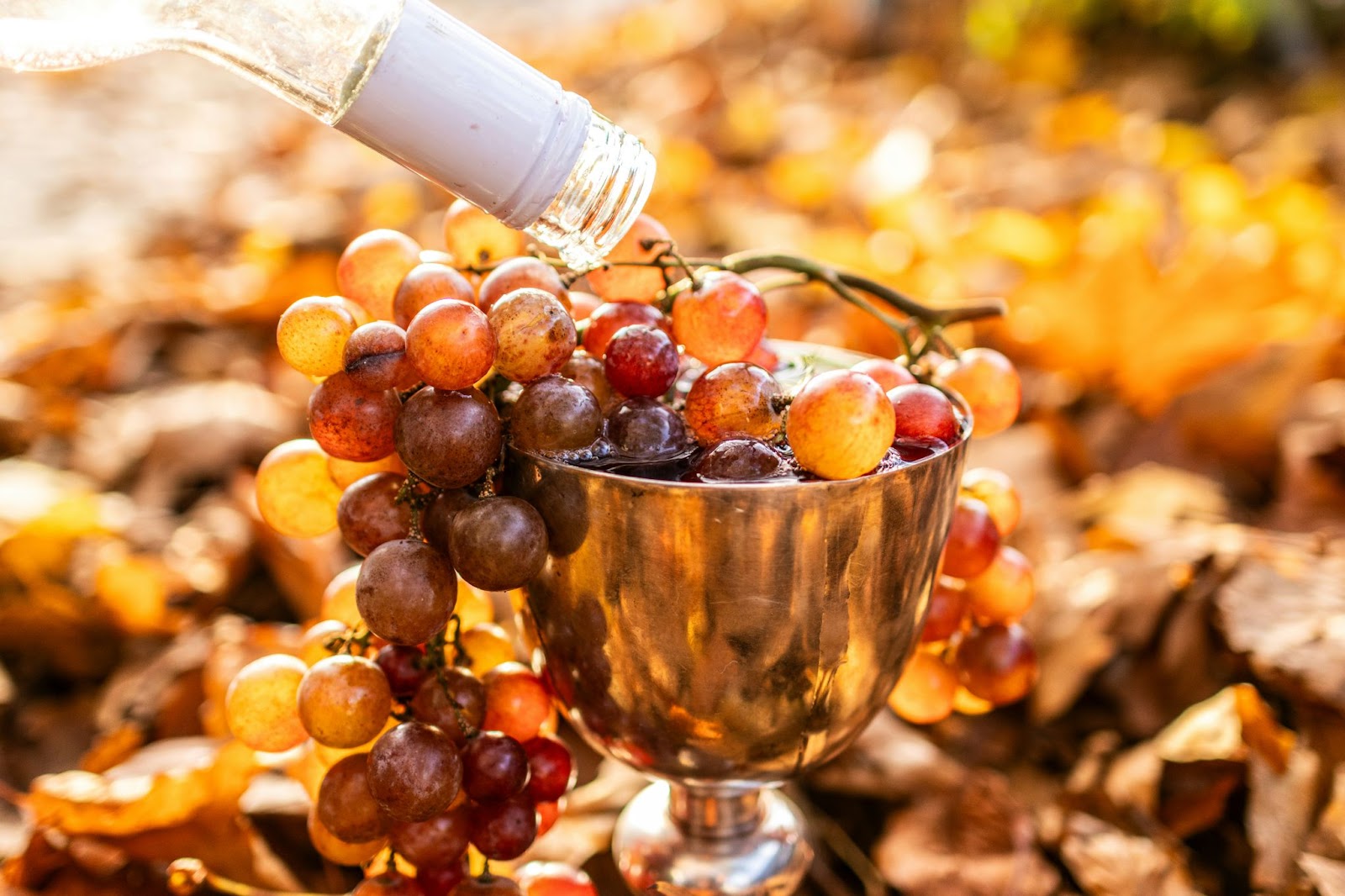
Grapes develop their individual characteristics based on climate, growing conditions, and cultivation methods. These carefully nurtured grapes transform into wine through the process of fermentation, but it led me to wonder: ① Why were they fermented in the first place? And ② How is the flavor of grapes generally considered to change through fermentation?
Let’s take a look in order🔍
① Why were they fermented in the first place?
My hypotheses for the answer:
・Consumer perspective: More people found it taste better than eating the grapes raw, and it was widely consumed.
・Producer perspective: Yields were high, and there was too much waste if consumed just as raw fruit.
---
memo: What is fermentation?
・The process of organic matter decomposing through the action of microorganisms and enzymes, causing chemical changes.
・Generating substances that are beneficial to humans.
---
To satisfy myself with an answer to this question, I need to trace the history of how wine was born.
The history of wine dates back to 8,000 BC. Similar to mead, the first wine wasn't intentionally made by humans; it seems wild grapes fermented naturally to become wine.
In ancient Greece, they held banquets called "Symposia" almost every night, discussing philosophy and art while drinking wine diluted with water. What a fun gathering that must have been. It seems the culture of getting together over drinks has existed since ancient times🥂
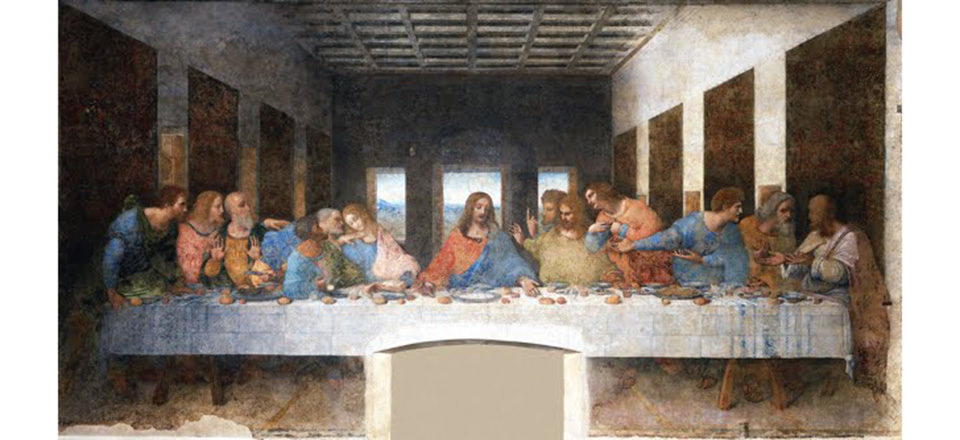
As we entered the Middle Ages, Christianity had a major impact on the history of wine. Since Christ said, "Wine is my blood," monasteries became the center of winemaking. Consequently, in an era where religion and politics were intertwined, owning vineyards that produced high-quality wine became an important status symbol for the powerful. Since I’m not well-versed in Christianity or other religions, it feels like something out of a book or a movie.
Although Xavier came to Japan, the country soon entered a period of national isolation. Therefore, wine culture didn't fully spread until after the country opened (19th century), so the history of Japanese wine has only just begun🍾
This has been a long explanation, but in short, it could be said that wine is "pre-installed in the OS of people, especially Christians overseas." Therefore, the history has continued to the present day without even the debate of "Why are we making wine by fermenting grapes?"🍇
Also, as for the characteristics of grapes themselves:
—
・Wild yeast naturally adheres to the skin.
・They are rich in sugar, which is suitable for fermentation, making it easy for yeast to thrive.
・Substances contained in the skin (tannins) suppress the growth of undesirable bacteria.
—
The fact that this culture could be passed down even when technology wasn't as advanced as it is today can be attributed to these factors.
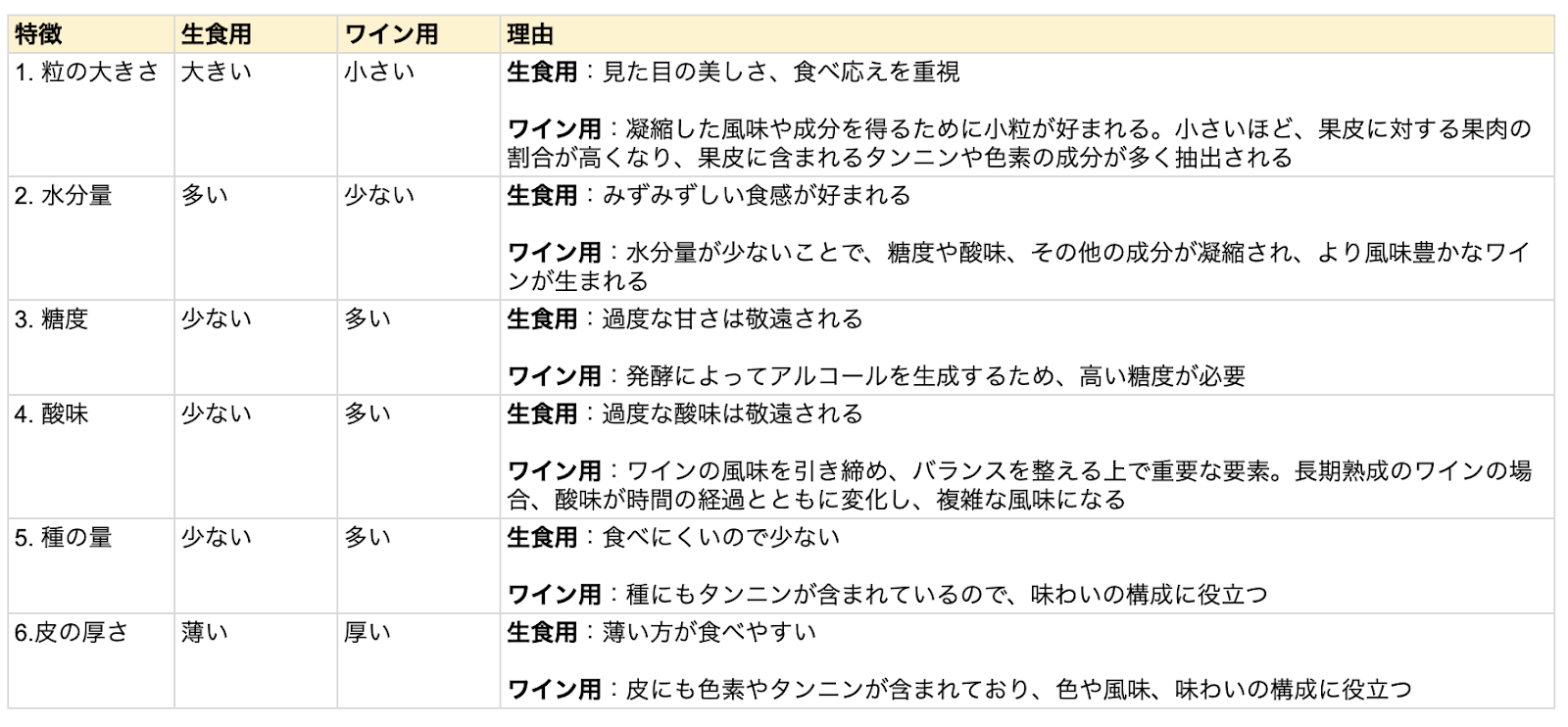
By the way, regarding my hypothesis, "More people found it tasted better than eating the grapes raw, and it was widely consumed," grapes are divided into table grapes and wine grapes.
I made a chart to organize my understanding for reference! Table grapes seem to prioritize appearance and ease of eating, while wine grapes are optimized for fermentation.
② How is the flavor of grapes generally considered to change through fermentation?
I say "generally" because, due to time constraints, I cannot investigate every individual case. (I will visit a winery within this year and write about my actual experience.)
My hypotheses for the answer this time:
・Since sugar is consumed during the fermentation process, the sweetness decreases.
・The extraction of tannins increases the astringency.
Let's look at this in more detail.
Strict definition: Fermentation = "The phenomenon where sugar turns into alcohol and carbon dioxide."
■ Does the sweetness decrease?
Starting point: I knew that fermentation reduces sugar content, so I thought, "Does this happen with grapes, too?" and decided to verify it.
Conclusion: It seems to be correct that it decreases.
I represented it with numbers to deepen my understanding.
—
1. Ferment 1kg(L) of grape juice with a sugar content of 20 Brix.
2. If 1kg of sugar were to turn entirely into alcohol, approximately 480g of alcohol would be produced (theoretically).
3. In this case, at 200g/L, 96.3g/L of alcohol would be produced.
4. The conversion rate from sugar to alcohol is considered to be 51%.
5. The sugar consumed is 96.3g/L ÷ 51% = 188.8g/L.
6. The residual sugar amount is 200g/L - 188.8g/L = 11.2g/L.
7. The final sugar content is approximately 1.1.
—
Grape juice before fermentation is nearly twice as sweet as cola. After fermentation, that sweetness drops to the level of an unsweetened drink.
■ Does the astringency increase?
Starting point: I learned in the Malbec chapter that fermentation releases tannins, so I decided to test that.
First, let's look at "phenolic compounds (tannins, catechins, etc.)," which are the cause of astringency. According to research by Hiroki Yokotsuka of the University of Yamanashi, phenolic compounds in grapes are distributed as follows:
—
【Phenolic compounds in grapes】
・Red grapes: 5,631mg/kg
- 63% in seeds - 33% in skins
・White grapes: 3,893mg/kg
- 71% in seeds - 23% in skins
—
White wine is made with fewer initial phenolic compounds and by removing the seeds and skins. It makes sense why it is generally considered to have less astringency. On the other hand, red wine is fermented with the skins and seeds, so it is likely that the astringency will increase.
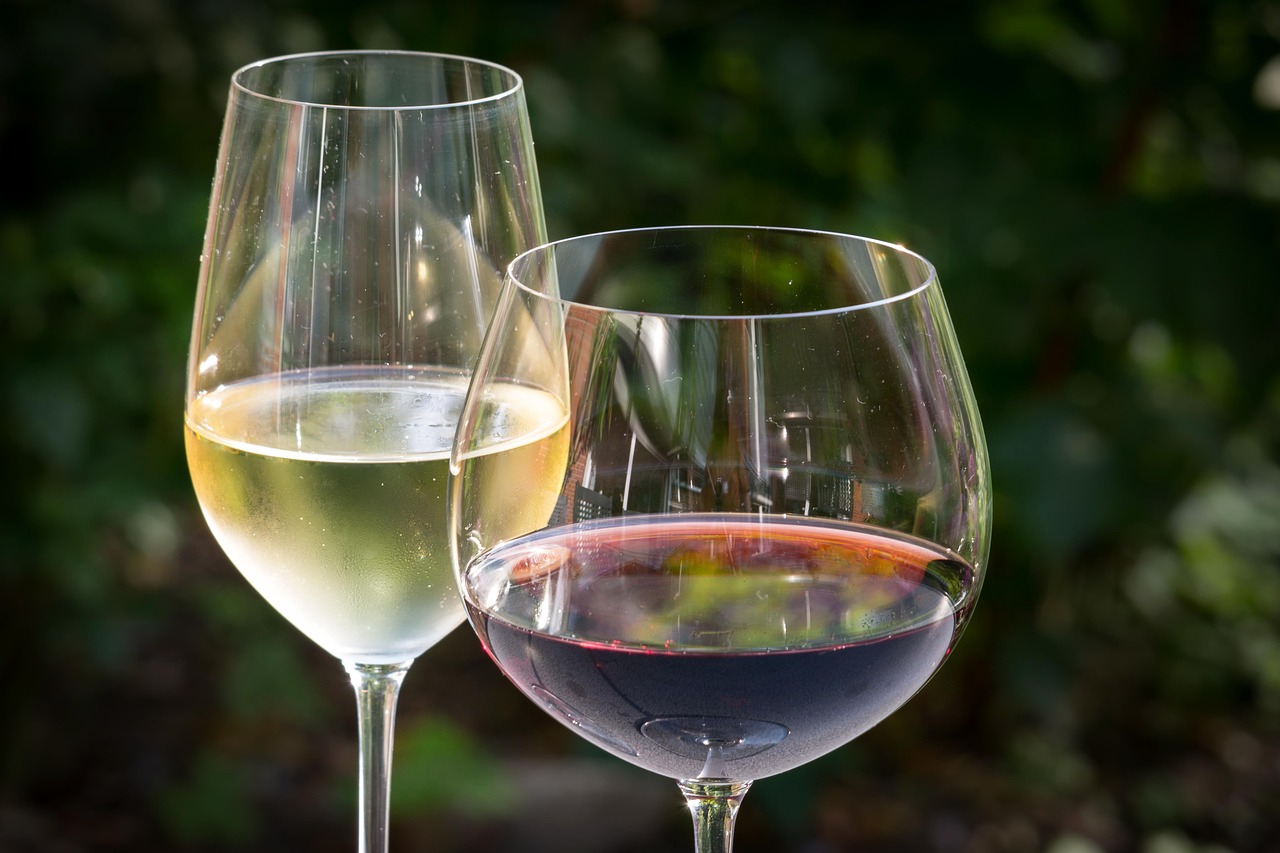
For reference, the phenolic content in actual wine:
・Red wine: 1,300-2,000mg/L (above 2,000 is said to be too astringent to drink)
・White wine: 200-400mg/L
It seemed like the content decreased once it became wine, but not all phenolic compounds are extracted during brewing; some remain in the skins and seeds or are removed as sediment (lees). That causes the difference in the final content. (Strictly speaking, units are different, so a simple comparison is not possible.)
Also, if the pH is low (acidity is high), the rate at which tannins dissolve increases, which may result in more tannins present in the liquid, leading to a sensation of increased astringency.
There is also a theory that astringency decreases with aging. Tannins are hydrolyzed and their molecular weight becomes smaller. When they become low-molecular, their binding affinity with proteins in saliva weakens, making them feel less astringent.
Conclusion: While I haven't reached a definitive answer on whether it increases in astringency compared to the original grapes,
・White wine is less astringent than red wine.
・Even among red wines, the degree of astringency varies depending on the original grape variety and brewing method.
This much can be said.
■ Other changes?
・Acidity: Malolactic fermentation converts malic acid into lactic acid, making the acidity milder.
→ Malolactic fermentation (MLF) is mainly used for red wine. It is a fermentation method where lactic acid bacteria convert malic acid into lactic acid. Besides mellowing the acidity, it also seems to have the effect of adding complexity and flavor to the wine.
・Aroma: Aroma components called esters and aldehydes are created. The nail polish-like aroma I learned about the other day is also a type of ester aroma. It’s an aroma that isn't present in the grapes themselves🍇
・Color: In red wine, anthocyanin pigments are extracted from the skins, turning it red. White wine, lacking skins and seeds, ends up colorless and transparent.
And it goes without saying, there is the change where "alcohol is produced."
■ Conclusion
"Fermenting grapes to make wine" is something that has been etched into human history for a long time. Especially in Christian countries like Europe, it was rooted in religious rituals and daily life. For example, it might be similar to the feeling Japanese people have toward "miso soup with white rice."
I also understood that through fermentation, the sweetness, astringency, acidity, aroma, and color, which were not present in the grape stage, change. I can imagine that to alter each of these, there are infinite combinations involving meticulous brewing techniques by artisans or the quantity of grapes. This time, my admiration for winemakers grew as I realized, "No wonder they want to do so many experiments."
I also thought I’d like to track the grapes before fermentation and see what kind of wine they become. I feel like I have no choice but to go to a winery that offers brewing training.
■ This week’s tasting report
THE FAVE GRENACHE 2021 | KAESLER
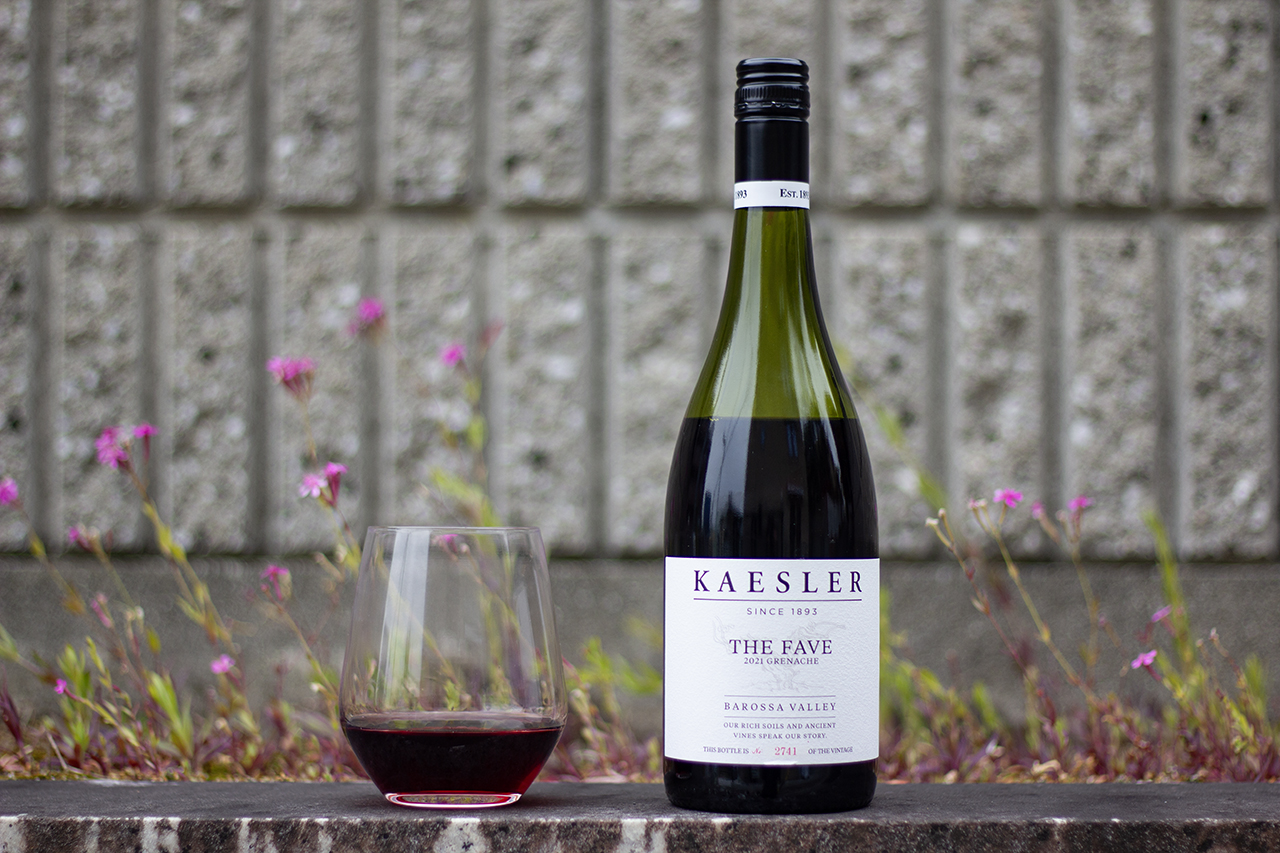
In the previous column, I mentioned an experiment in Australia. Seeing an expert comment that Nero d’Avola and Grenache are similar, I decided to buy it and try it myself.
The Barossa Valley is a famous production area located in South Australia. The Enoteca staff member said all wine from grapes grown there is delicious, so my expectations were high.
The producer, KAESLER, started when the family immigrated from Silesia (from present-day southwestern Poland to northeastern Czech Republic) to Australia and planted the first vines in 1893🌳 It seems the quality of the wine soared after a man named Reid Bosward bought the winery in 1999.
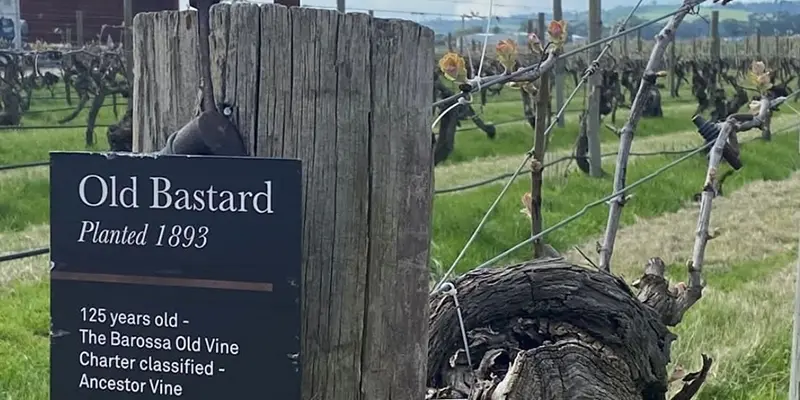
Since the wines using "Shiraz" are particularly highly rated, I will save that for the Australia edition.
===
・Appearance: Clear and transparent. A bright ruby color, smooth and youthful impression. Much lighter than the "ROCENO NERO D’AVOLA" I drank last week, and close to the first "PARVA RES NERO D’AVOLA" I tried.
・Aroma: Open, with scents like cassis or tea that has steeped for a long time. There were also notes like "Milky" candy or slightly burnt toast with butter.
・Taste: Medium-bodied, neither light nor heavy. What surprised me was that I felt almost no acidity or astringency. It was mellow and very easy to drink. A hint of sweetness remains. I felt a gentleness like stroking silk (is this what they call "silky"?), and felt a sense of richness and refinement. I imagined a person with a very stable personality.
・Food pairings: Slightly salty meats like prosciutto or smoked ham seem to be a good match. Blue cheese also sounds good.
・Price: 3,960 yen (including tax) / 750ml
A mid-priced wine. It might be difficult for daily use, but it's wonderful for gatherings with friends or as a gift🍷
—
I have been on an Italian wine journey for a long time. It was three red wines in a row, so I’m in the mood to do another white wine. I also want to head to Uruguay, but I’m torn. Look forward to next week!
シェアする:
Dear Sommelier, Nero d'Avola No. 2
Sake Brewing Science Vol. 1 - The Significance of Rice Polishing Ratio