
Giou is the name of the place where we at ANTELOPE have our facility. It’s a location named after Giou, a woman who was once beloved by Taira no Kiyomori.
We were grateful to borrow this local name for this mead, Giou. In fact, this was the very first mead we brewed after setting up our facility. It took a long time to release because we let it age, but it was the one we started brewing the earliest.
I crafted it with the thought that a style with sharp bitterness, a sense of volume from the alcohol, and a dry finish would be something that lingers pleasantly for a long time.
〈Local→Japan〉

I think it’s not uncommon for local place names to spread across the country because of alcohol. I suppose sake is the prime example of this.
I didn't have the slightest intention of rooting my brewery in the local community when I started it, but before I knew it, I had become a Shiga lover. And a Yasu lover, too. And this is coming from someone born and raised in Hachioji.
I hold a glass of Giou and hope that we, too, can become a manufacturing company that represents Yasu—or even Shiga.
*Please forgive us for the frequent stock shortages, as it requires long-term aging. I hope you'll see this as part of its local character.
〈Tasting Note〉
-
Sharp bitterness and a smooth mouthfeel
-
Satisfying drinking experience with 12% alcohol content
-
A fresh, verdant aroma like crushed new tea leaves with a subtle acidity
-
A flavor profile reminiscent of spring vegetables
(Old label)
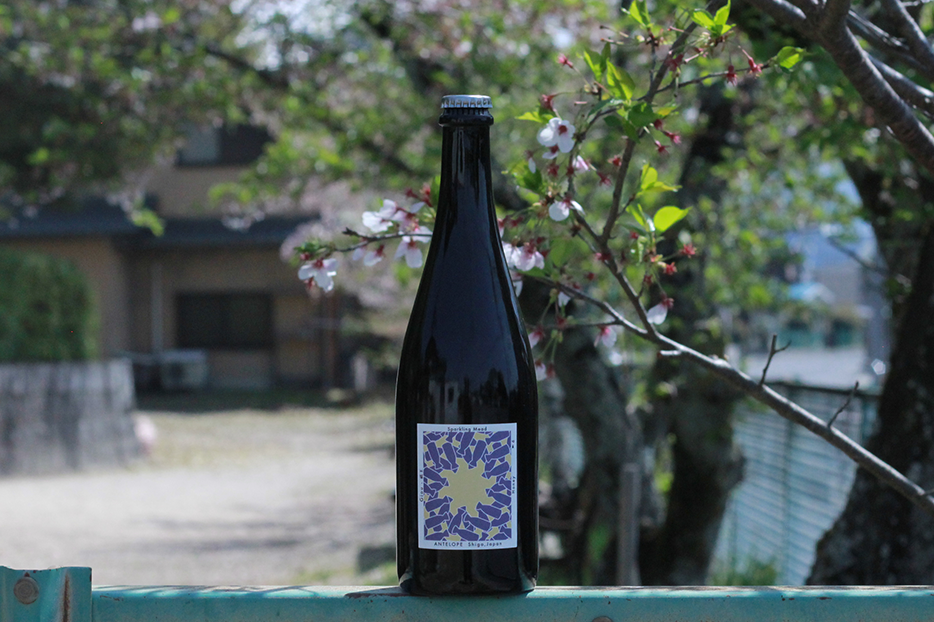
The slightly mature bitterness and refreshing aroma of spring vegetables pair perfectly with Giou. If it’s springtime, I hope you’ll enjoy it with vegetables that are only available during the season! Tempura made with butterbur sprouts would be sublime.
Bonus: A past episode about Giou
Giou is quite special to me. You could say the quality of my memories with it is higher than the quantity, and above all, it was the first recipe I ever brewed in my own facility.
I had actually originally envisioned a recipe that was sweeter and where the character of the honey was more clearly defined. However, while it was aging in the tank and waiting to be bottled, various problems arose with the meads we had packed earlier in the neighboring tanks. Honestly, it was just one trouble after another (laughs).
Meanwhile, the Giou that had been aging continuously at a low temperature was fermenting slowly and steadily, despite the extreme cold. Perhaps it was a stroke of luck that I kept letting it rest, thinking it wouldn't matter much if the yeast was active at 1-2°C. When I finally took a sample from the tank, it had become a drink with a pleasant crispness and an aroma unlike anything I had ever smelled before.
So, while we were in a rush, not knowing what to do, the quality of the sake continued to change. The freshness that reminded me of Muscat transformed into a beautiful, green, verdant aroma like new tea. The bitterness was also sharp, and my emotions were swinging between anxiety and excitement, wondering just how far it would evolve!
And so, about half a year after we started brewing, it was finally bottled and ready for shipment.
"What shall we name it?"
"It's crisp and has something of a sake-like quality, doesn't it?"
"How about a sake-sounding name?"
Deciding on a name for our alcohol usually starts with a conversation like this. We came up with various ideas, but we decided to borrow the gracious name of the "Giou District," where our base, ANTELOPE, is located.
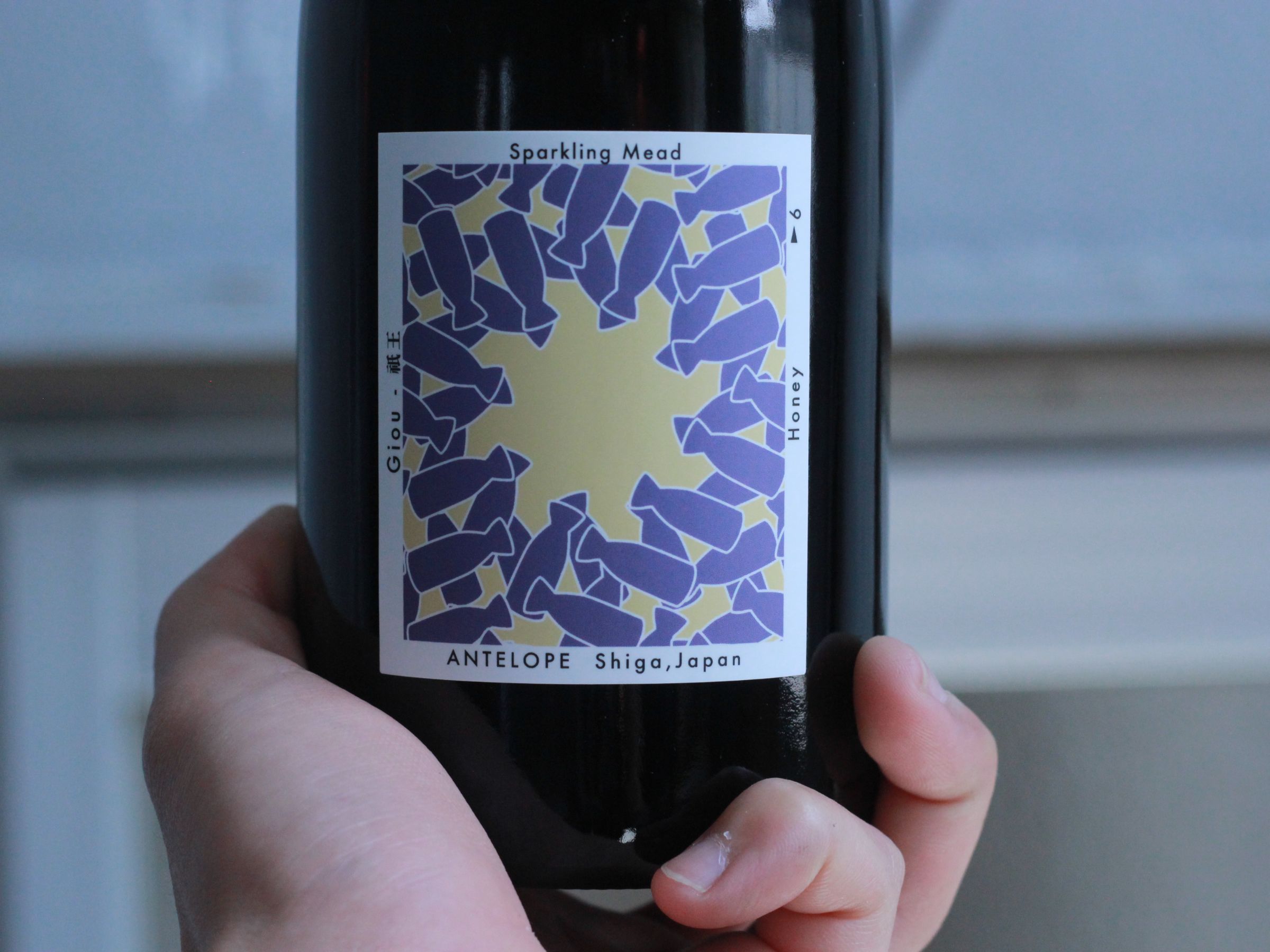
I would never dare to call it an alcohol that represents the region, but I truly hope it becomes something that is loved by the people here.
I bottled it while imagining how delightful it would be to have Giou in hand on a pleasant spring day, sharing old stories. It’s a bottle packed with more of the maker's unnecessary affection than usual. It would be the greatest reward for a brewer if you would pick up a bottle.
シェアする:
〈Brewer's Note〉What Churchill Said
〈Brewer's Note〉TOFU